
Smart Ways to Keep Your Refrigerator Running Efficiently and Save on Energy
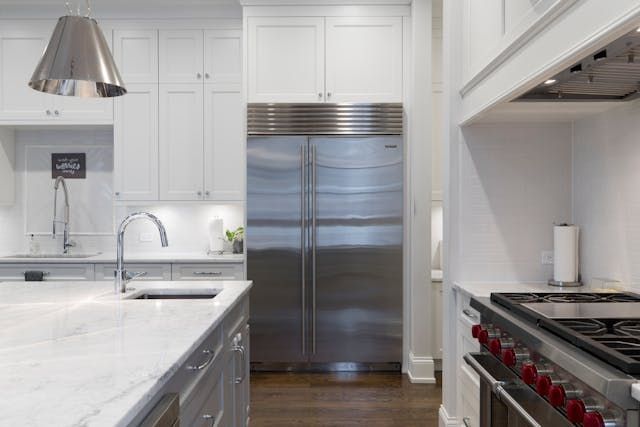
A refrigerator operates continuously, making it one of the most energy-dependent appliances in any home. When it runs efficiently, it preserves food safely while keeping utility costs under control. When neglected, however, it can become a steady source of unnecessary energy consumption. Maintaining efficiency is less about major upgrades and more about consistent, practical care.
Set Temperatures with Precision
Energy performance begins with accurate temperature settings. The fresh food compartment should remain between 37°F and 40°F , and the freezer should hold steady at 0°F . Settings colder than necessary increase compressor run time without improving food preservation. Verifying temperatures with a standalone thermometer ensures the internal controls are functioning as intended.
Inspect and Maintain Door Gaskets
Door seals play a critical role in preventing cold air loss. Even minor gaps allow warm air infiltration, forcing the appliance to cycle more frequently. Periodically examine the gaskets for cracking, warping, or hardened sections. Cleaning them with a mild detergent helps maintain flexibility and a proper seal. If the door does not close firmly or shifts out of alignment, hinge adjustments may also be required.
Clean the Condenser Coils
Heat removal is essential for efficient refrigeration. Condenser coils, typically located along the back or beneath the unit, release heat extracted from inside the cabinet. Dust accumulation on these coils restricts airflow and reduces heat transfer efficiency. Cleaning them twice a year with a vacuum attachment or soft brush helps the system operate with less strain and lower energy demand.
Maintain Proper Air Circulation
Balanced airflow inside the refrigerator supports consistent temperatures. Overcrowding shelves blocks interior vents and creates uneven cooling zones. Conversely, an entirely empty refrigerator loses cold air more quickly each time the door is opened. Keeping the appliance reasonably stocked promotes thermal stability without obstructing circulation.
Adequate space around the exterior is equally important. Refrigerators require clearance—typically at least one inch along the sides and back—to dissipate heat effectively. Restricted ventilation causes the compressor to run longer and increases wear on mechanical components.
Limit Temperature Fluctuations
Frequent or prolonged door openings introduce warm air into the cabinet. Organizing contents logically reduces the time spent searching for items. Allow cooked foods to cool before placing them inside, as residual heat raises internal temperatures and triggers longer cooling cycles.
For manual-defrost models, frost buildup should never exceed a quarter inch. Excess frost acts as insulation along evaporator surfaces, diminishing cooling performance and increasing run time.
Evaluate Placement and Age
Appliance location directly influences efficiency. Units installed near ovens, heating vents, or in direct sunlight must compensate for surrounding warmth. Whenever possible, position refrigerators in well-ventilated areas away from heat sources.
Older models, particularly those exceeding 15 years of service, often consume substantially more electricity than modern energy-rated replacements. If repair frequency increases or performance declines, upgrading may offer measurable long-term savings.
Energy efficiency is achieved through attention to detail rather than complex modifications. Routine inspection, cleaning, and mindful operation ensure a refrigerator performs reliably without excessive energy use. With steady maintenance, this essential appliance can deliver dependable service while keeping household operating costs in check.
The post Smart Ways to Keep Your Refrigerator Running Efficiently and Save on Energy appeared first on Green Valley Inspections.
Search
Certification
Green Valley Inspections is InterNACHI Certified, a Certified Master Inspector, and CCPIA-certified, demonstrating advanced training, extensive experience, professional ethics, and expertise in residential and commercial property inspections across Southern California.



Social Media
Google Reviews

5-star ratings from 440+ clients across Southern California.
Contact Us
Recent Post




Service Areas
We offer home inspection services throughout the following counties: