
Choosing the Right Kitchen Countertop: A Practical Guide for Real-World Homes
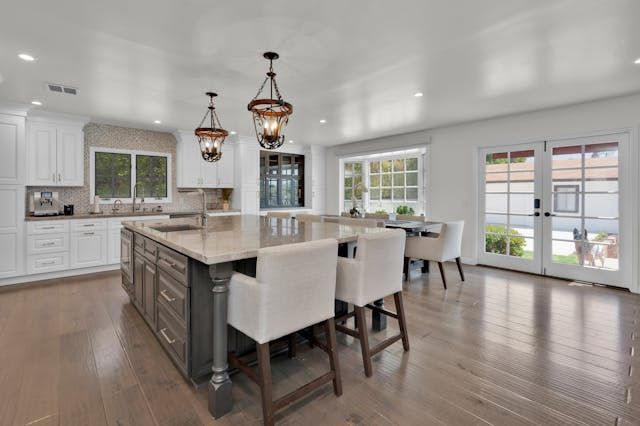
The kitchen countertop is one of the most heavily used surfaces in any home. It takes daily wear from cooking, cleaning, heat, moisture, and the occasional dropped pan. Choosing the right one isn’t just about style—it’s about selecting a material that fits how the household actually functions. A smart countertop choice balances durability, maintenance, comfort, and long-term value.
Start with how the kitchen is used.
Households that cook frequently, entertain often, or include kids tend to put countertops through more stress. In busy kitchens, resistance to scratches, heat, and staining matters more than a perfectly polished look. In lighter-use kitchens, homeowners may have more flexibility to prioritize aesthetics over rugged performance.
Understand material strengths and limits.
Natural stone, engineered surfaces, and solid materials each behave differently. Some countertops handle heat well but can stain if spills aren’t wiped quickly. Others resist stains but may show damage from sharp objects. No surface is indestructible, so knowing what a material does not
tolerate is just as important as knowing what it does well.
Maintenance is often overlooked.
Countertops are long-term installations, not décor items that can be swapped out easily. Some materials require periodic sealing or careful cleaning to maintain their appearance and performance. Others are more forgiving and hold up well with basic care. For many households, lower maintenance translates into fewer surprises down the road.
Consider moisture, sunlight, and movement.
Kitchens experience temperature changes, humidity, and regular exposure to water. In brighter homes, prolonged sunlight can also affect certain finishes over time. Additionally, houses naturally shift and settle, so materials that tolerate minor movement without cracking can be a practical choice, especially in regions where structural flexibility is part of everyday building design.
Match the countertop to the cabinetry and layout.
A countertop should complement—not compete with—the rest of the kitchen. Busy patterns can overwhelm smaller spaces, while very light surfaces may show wear more quickly in high-traffic areas. Edge profiles and thickness also matter, affecting both durability and visual balance.
Think about resale without designing for strangers.
While personal preference is important, countertops that appeal to a broad range of buyers tend to age better from a value standpoint. Neutral colors, proven materials, and consistent finishes often integrate more easily into future updates without requiring full replacement.
Budget realistically, including installation.
Material cost is only part of the picture. Fabrication, edge details, cutouts, and installation can significantly affect the final price. Planning for these expenses upfront helps avoid compromises later.
A well-chosen countertop works quietly in the background—durable, functional, and appropriate for the household’s rhythm. When form and function align, the kitchen becomes easier to use, easier to maintain, and more likely to stand the test of time.
The post Choosing the Right Kitchen Countertop: A Practical Guide for Real-World Homes appeared first on Green Valley Inspections.
Search
Certification
Green Valley Inspections is InterNACHI Certified, a Certified Master Inspector, and CCPIA-certified, demonstrating advanced training, extensive experience, professional ethics, and expertise in residential and commercial property inspections across Southern California.



Social Media
Google Reviews

5-star ratings from 440+ clients across Southern California.
Contact Us
Recent Post




Service Areas
We offer home inspection services throughout the following counties: