
How to Spot a Home That May Be Uninsurable Before You Buy

Buying a home involves more than location, layout, and curb appeal. One often-overlooked issue is whether the property can actually be insured. A home that is difficult or impossible to insure can jeopardize financing, delay escrow, or lead to costly surprises after purchase. Understanding the warning signs ahead of time can help buyers make informed decisions and avoid unnecessary risk.
Roof Condition and Materials
The roof is one of the first elements insurers evaluate. Visible wear such as curling or missing shingles, widespread granule loss, soft spots, or obvious patch repairs can indicate a roof nearing the end of its useful life. Even without active leaks, an aging or poorly maintained roof may trigger a denial of coverage. Certain older or fire-prone roofing materials can also raise concerns, regardless of overall appearance.
Electrical System Red Flags
Electrical issues are a major driver of insurance rejections. Outdated systems such as fuse boxes, recalled electrical panels, or ungrounded wiring increase fire risk. Signs of improper modifications, exposed wiring, or overloaded circuits suggest that the system may not meet current safety expectations. Insurers often require upgrades before issuing or renewing a policy.
Plumbing and Water Damage Risks
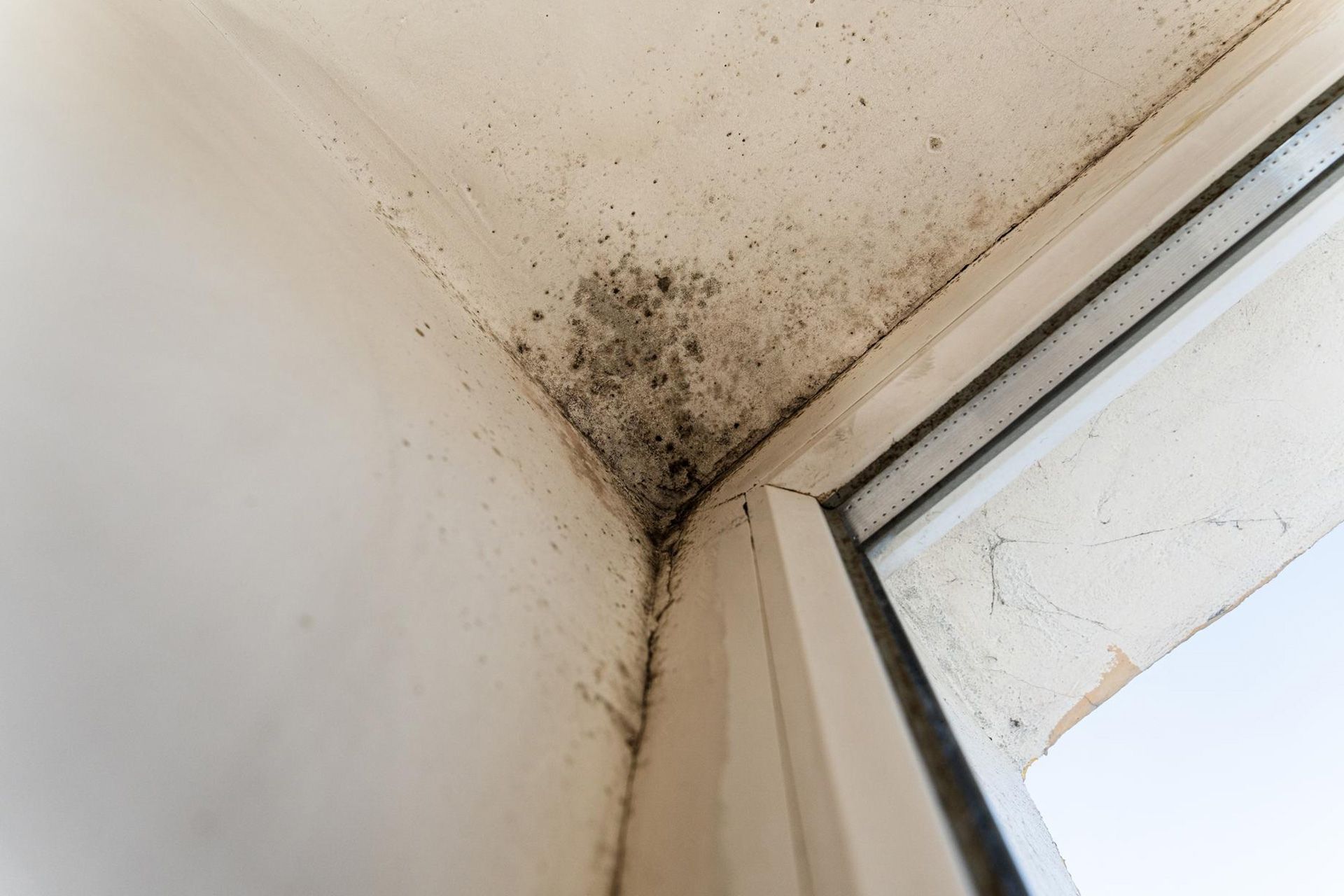
Plumbing problems can make a home uninsurable just as quickly as electrical issues. Older supply lines made from materials known for corrosion or failure are frequently flagged. Evidence of chronic leaks, water staining, mold, or previous flooding points to a higher likelihood of future water damage claims. Even cosmetic repairs may not offset concerns about aging or failure-prone plumbing infrastructure.
Property Location and Environmental Exposure
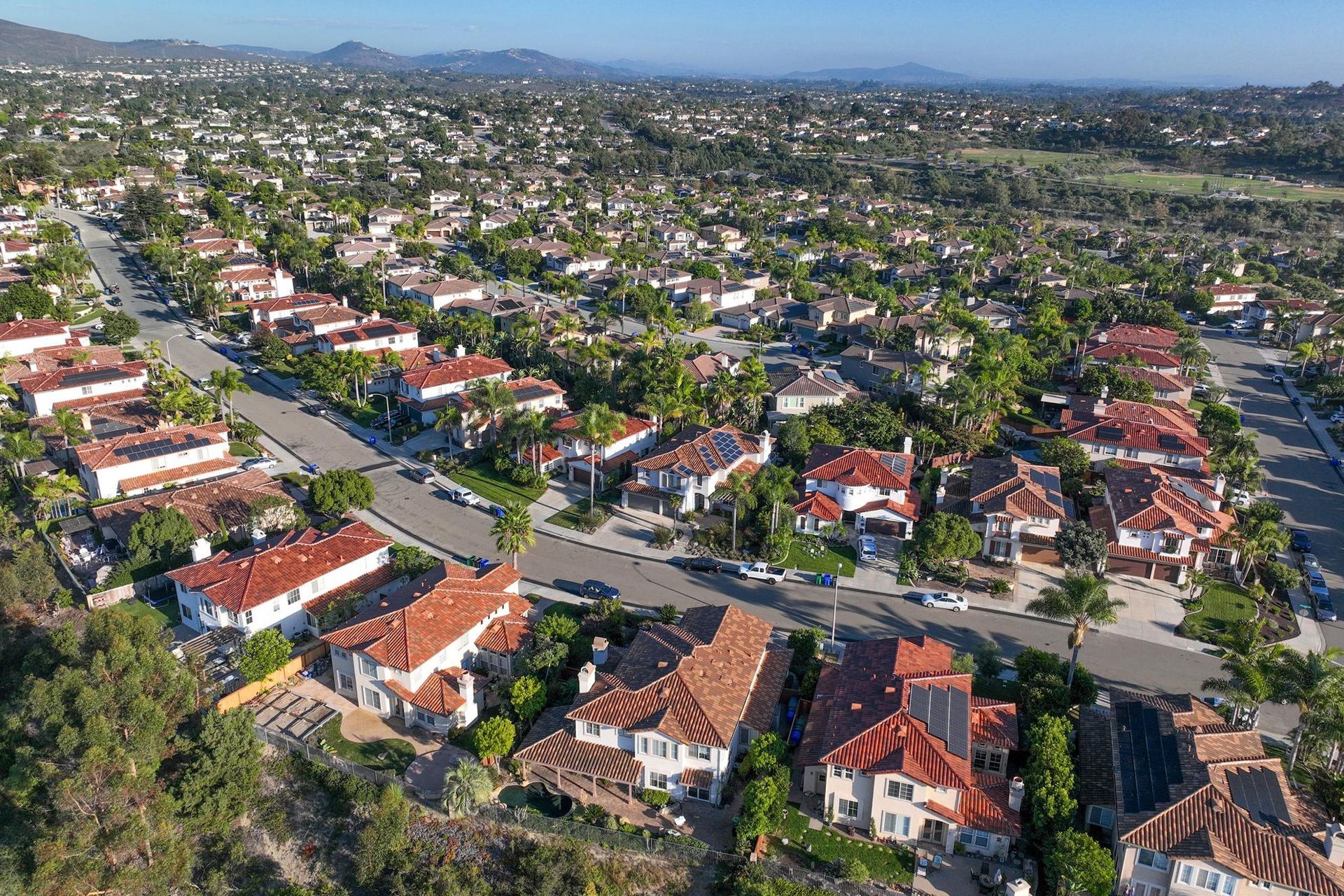
A home’s surroundings play a significant role in insurability. Properties located in high-risk areas for wildfire, flooding, landslides, or severe weather are subject to stricter underwriting guidelines. Factors such as insufficient defensible space, poor drainage, steep terrain, or proximity to hazard zones can limit insurance options, regardless of how well the home itself is maintained.
Deferred Maintenance and Exterior Deterioration
Visible neglect is another common issue. Peeling paint, rotted trim, broken windows, sagging decks, or unstable retaining walls signal deferred maintenance. Insurance companies view these conditions as indicators of ongoing risk and potential claims. Multiple smaller issues can collectively push a property into an unacceptable risk category.
Unpermitted or Substandard Additions
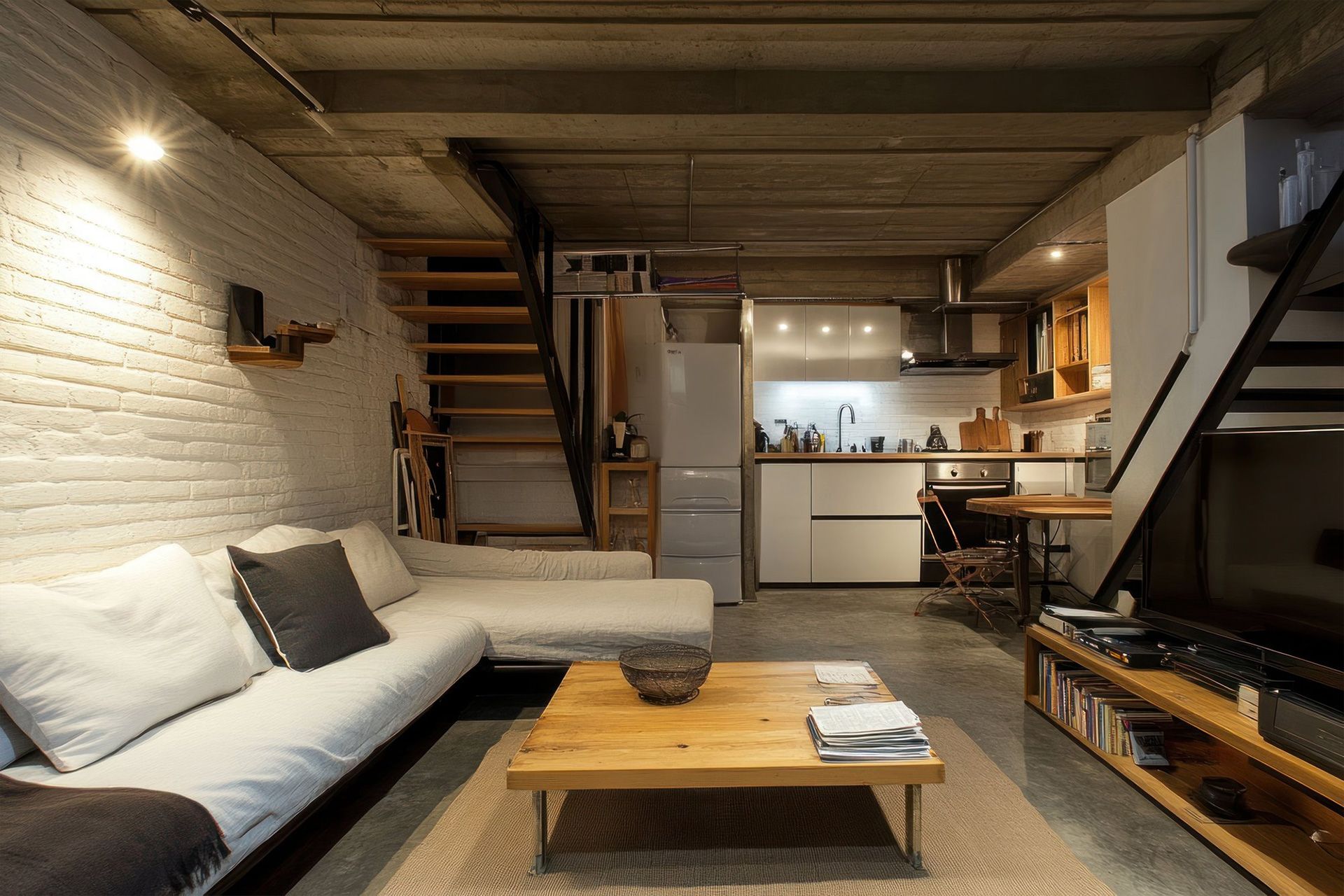
Unapproved renovations can also create insurance challenges. Converted garages, added bathrooms, or expanded living areas completed without proper oversight may not meet safety or structural standards. Insurers are often reluctant to cover homes with significant alterations that fall outside recognized guidelines.
Why Early Evaluation Matters
Identifying these issues before making an offer allows buyers to negotiate repairs, plan for upgrades, or reconsider the purchase altogether. A thorough evaluation of a home’s systems, structure, and site conditions provides insight not only into livability, but also into whether the property can realistically be insured. In today’s housing market, that knowledge is essential to protecting both the investment and the buyer’s peace of mind.
The post How to Spot a Home That May Be Uninsurable Before You Buy appeared first on Green Valley Inspections.
Search
Certification
Green Valley Inspections is InterNACHI Certified, a Certified Master Inspector, and CCPIA-certified, demonstrating advanced training, extensive experience, professional ethics, and expertise in residential and commercial property inspections across Southern California.


Social Media
Google Reviews

5-star ratings from 440+ clients across Southern California.
Contact Us
Recent Post


Service Areas
We offer home inspection services throughout the following counties: