
Slow Gas Leak Symptoms and How to Check for Leaks: A Guide
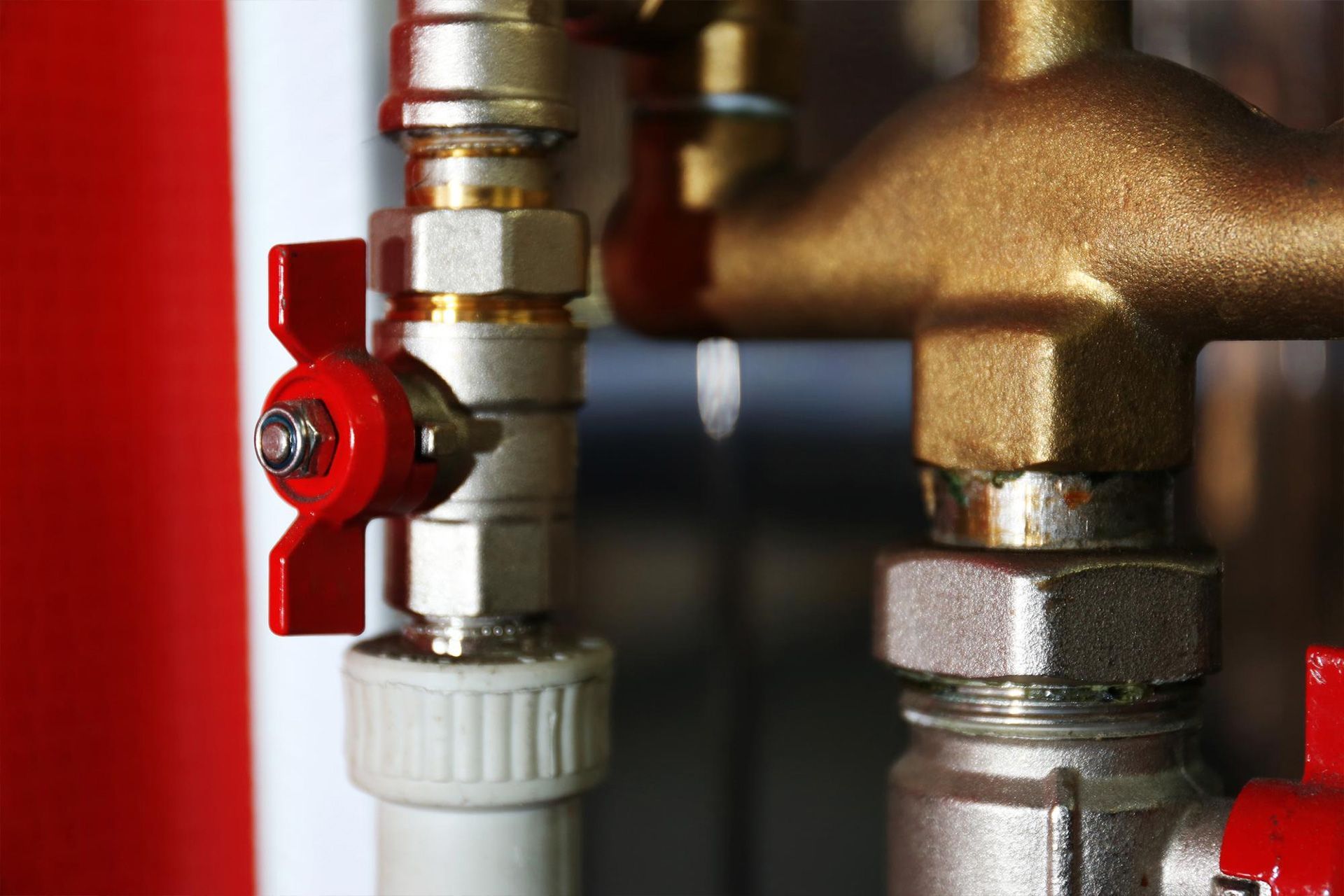
A small natural gas leak can be difficult to notice at first. Slow gas leak symptoms may include a faint rotten egg or sulfur-like odor, an unusual hissing sound near a gas appliance, or visible signs around gas piping. However, you should never rely on smell alone or attempt to locate an active leak yourself.
If you suspect a natural gas leak, treat it as a safety issue. Leave the property immediately, avoid anything that could create a spark, and contact your gas utility or emergency services from a safe location. Southern California gas-safety guidance specifically advises people not to attempt to control or repair a suspected leak themselves.
Understanding the warning signs can help homeowners know when something deserves immediate professional attention.
What Does Natural Gas Smell Like?
Natural gas is naturally odorless. Gas utilities add an odorant so leaks are easier to detect.
Most people describe the added odor as similar to:
- Rotten eggs
- Sulfur
- A strong unpleasant chemical smell
A faint odor should not automatically be dismissed because the smell is not strong.
There are also situations where a person may not detect the odor. A reduced sense of smell, temporary odor fatigue, illness, other household smells, or certain conditions affecting gas piping can make odor less noticeable.
That is why knowing other warning signs is important.
What Are Common Slow Gas Leak Symptoms?
When homeowners search for slow gas leak symptoms, they may be looking for physical symptoms. But it is important to separate signs of a natural gas leak from symptoms of carbon monoxide exposure.
A possible natural gas leak may produce warning signs around the property such as:
- A faint or recurring rotten egg odor
- Hissing or whistling near an appliance or pipe
- A damaged gas connection
- Unexplained dying vegetation near an underground gas line
- Dirt or water being disturbed near an underground line
Even a faint or occasional warning sign deserves attention.
Natural gas can create a fire or explosion hazard when it accumulates in a confined area. If you suspect a leak, do not remain inside trying to determine how serious it is.
Can a Slow Gas Leak Cause Physical Symptoms?
This question requires an important distinction.
People sometimes connect headaches, dizziness, nausea, fatigue, or confusion with a "gas leak." Those symptoms can be associated with carbon monoxide exposure, which is different from a natural gas leak.
Carbon monoxide, or CO, is a colorless and odorless poisonous gas. It can be produced when fuels such as natural gas do not burn completely. Common CO poisoning symptoms include headache, dizziness, weakness, nausea, vomiting, chest pain, and confusion.
A malfunctioning gas appliance can therefore create a different problem from leaking unburned natural gas.
If several people in a home develop unexplained headache, dizziness, nausea, weakness, or confusion, especially when symptoms improve after leaving the property, carbon monoxide should be taken seriously.
Natural Gas Leak vs. Carbon Monoxide
These two hazards are often confused.
Natural Gas
Natural gas supplied to homes is odorized so a leak can often be recognized by its distinctive smell.
Warning signs may include:
- Rotten egg odor
- Hissing or whistling
- Visible damage around a connection
- Unusual outdoor conditions near gas piping
The major concerns include fire and explosion.
Carbon Monoxide
Carbon monoxide has no smell, color, or taste.
It may result from incomplete combustion involving:
- Furnaces
- Gas water heaters
- Fireplaces
- Gas appliances
- Other fuel-burning equipment
Possible symptoms include:
- Headache
- Dizziness
- Weakness
- Nausea
- Confusion
- Drowsiness
Carbon monoxide alarms are designed to warn occupants about CO. A standard CO alarm should not be assumed to detect a natural gas leak unless the device is specifically designed and listed for both purposes.
How to Tell If There Is a Gas Leak
If you are wondering how to tell if there is a gas leak, use your senses only to recognize warning signs. Do not intentionally create conditions to test for a leak.
Look for Visible Warning Signs
Possible signs include:
- Damaged gas appliance connections
- Dirt blowing unexpectedly outdoors
- Water bubbling continuously near underground piping
- A dry or dying patch of vegetation where surrounding plants are healthy
- Visible damage to a gas pipe or meter
These signs are particularly important after construction, excavation, landscaping, earthquakes, or other events that may disturb piping.
Listen for Hissing or Whistling
Escaping gas may create an unusual:
- Hissing
- Whistling
- Roaring sound
Do not move closer to investigate the source.
If you hear an unusual sound near a gas pipe, meter, or appliance and suspect gas may be escaping, leave the area.
Pay Attention to Unusual Odors
A sulfur or rotten egg smell is one of the most familiar warning signs.
A smell that repeatedly appears around a:
- Furnace
- Water heater
- Stove
- Fireplace
- Gas dryer
- Gas meter
should not simply be covered with air freshener or ignored.
Leave the area and have the situation evaluated.
What Should You Do If You Suspect a Gas Leak?
If you smell natural gas, hear gas escaping, or see other warning signs, do not continue inspecting the house yourself.
Take the following steps:
- Alert other occupants and leave immediately.
- Move to a safe location away from the property.
- Do not turn lights or electrical switches on or off.
- Do not use a phone while still inside or near the suspected leak.
- Do not light matches, candles, cigarettes, or other flames.
- Do not start a vehicle near the suspected leak.
- Contact the gas utility from a safe location.
- Call 911 from a safe location when there is an immediate danger to people or property.
For Southern California properties served by SoCalGas, the utility instructs occupants who suspect a natural gas leak to evacuate immediately and contact the utility from a safe location.
Should You Test a Gas Leak Yourself?
If you currently suspect an active leak, no.
Do not search around the home with a flame, lighter, match, flashlight, electrical device, or other potential ignition source.
You also should not try to repair a damaged gas line yourself.
A qualified utility technician or appropriately licensed professional has equipment designed to detect combustible gas and investigate the source safely.
This is different from routine homeowner awareness. Knowing what a gas meter looks like and recognizing warning signs is useful. Walking around a property trying to pinpoint an active gas leak is not.
Can a Gas Detector Help?
Gas-detection equipment can identify certain combustible gases, but homeowners need to understand what a particular device is designed to detect.
There are several different products, including:
- Carbon monoxide alarms
- Natural gas detectors
- Propane detectors
- Combination alarms
- Professional combustible-gas detectors
They do not all perform the same function.
For example, a standard carbon monoxide alarm is intended to detect CO rather than leaking natural gas.
Read the manufacturer's instructions carefully and use alarms appropriate for the fuel-burning equipment in the home.
A consumer detector should also never be used as a reason to remain inside when there is already a clear smell, sound, or other sign of escaping gas.
What Appliances Can Be Connected to Natural Gas?
Depending on the property, natural gas may supply several household systems.
Common examples include:
- Furnaces
- Water heaters
- Ranges
- Ovens
- Clothes dryers
- Fireplaces
- Pool heaters
- Outdoor cooking equipment
Connections, valves, vents, and appliances can change over time because of age, remodeling, appliance replacement, or previous repairs.
Homeowners should pay attention to visible damage and have gas-related work performed by qualified professionals.
Warning Signs Around a Gas Furnace or Water Heater
Gas-fired appliances deserve routine attention.
Visible conditions that may call for professional evaluation include:
- Damaged connections
- Corrosion
- Unusual appliance operation
- Soot or staining
- Venting problems
- Unusual burner behavior
- Repeated appliance shutoffs
- Unusual odors while equipment operates
Some of these conditions may relate to the appliance rather than a gas-line leak.
They still deserve attention because combustion and ventilation problems can create carbon monoxide risks.
For example, a yellow, large, or unstable burner flame on certain natural gas appliances can be a warning sign of improper combustion.
Why Carbon Monoxide Alarms Matter
Every home with fuel-burning appliances should take carbon monoxide safety seriously.
CO cannot be detected by smell.
That means homeowners cannot rely on their senses the way they sometimes can with odorized natural gas.
Properly installed and maintained carbon monoxide alarms provide an important warning if dangerous CO levels develop.
Homeowners should:
- Follow manufacturer placement instructions
- Test alarms as recommended
- Replace alarms according to their service-life instructions
- Never ignore an alarm
- Keep fuel-burning equipment properly maintained
If a CO alarm sounds or you suspect carbon monoxide exposure, move to fresh air and follow emergency guidance.
Can a Home Inspection Find a Gas Leak?
A standard home inspection should not be confused with emergency gas-leak detection.
During a home inspection, an inspector may evaluate visible and accessible conditions around components such as furnaces, water heaters, appliances, HVAC equipment, plumbing connections, and ventilation systems.
Green Valley Inspections' standard inspection scope includes furnaces and other HVAC components as well as visible plumbing systems and connections.
An inspector may identify a visible condition that deserves further evaluation, but a general home inspection does not replace the gas utility or a qualified gas professional when an active leak is suspected.
If gas is suspected during an inspection, safety takes priority over completing the inspection.
Gas Safety for Southern California Homeowners
Homes throughout Southern California may use natural gas for heating, cooking, hot water, fireplaces, dryers, and outdoor equipment.
Buyers should pay particular attention when viewing:
- Older homes
- Older gas appliances
- Properties with remodeled kitchens
- Homes with replaced water heaters
- Properties with outdoor gas appliances
- Homes showing questionable appliance installations
Age alone does not mean a home has a gas leak.
The goal is to recognize visible warning signs and make sure concerns are evaluated by the right professional.
Homeowners should also contact 811 before projects that involve digging so underground utility lines can be properly addressed before excavation.
Take Gas Leak Warning Signs Seriously
Knowing how to tell if there is a gas leak starts with recognizing unusual smells, sounds, and visible conditions. Even possible slow gas leak symptoms should not be ignored simply because the warning signs seem minor or intermittent.
Do not try to locate an active leak yourself. Leave the property and contact the gas utility or emergency services from a safe location when a leak is suspected.
It is also important to understand the difference between natural gas and carbon monoxide. Natural gas is odorized to help people recognize leaks, while carbon monoxide cannot be smelled and requires appropriate alarms for detection.
If you are buying a Southern California property and want a broader evaluation of its accessible HVAC system, water heater, plumbing, electrical system, roofing, structure, and other major components, Green Valley Inspections provides professional home inspections designed to identify visible conditions that may need attention. Contact Green Valley Inspections to schedule your home inspection. If an active natural gas leak is suspected, contact the gas utility immediately rather than waiting for a home inspection.
Frequently Asked Questions
What are common slow gas leak symptoms?
Possible warning signs include a faint rotten egg smell, hissing or whistling near gas piping, damaged connections, or unusual outdoor conditions near an underground gas line. Never ignore a suspected leak because the signs seem minor.
How can you tell if there is a gas leak in your house?
Look, listen, and smell for warning signs such as a sulfur-like odor, hissing sounds, or visible damage around gas equipment. If you suspect a leak, leave immediately rather than trying to locate it yourself.
Can a small gas leak have no smell?
It is possible for someone not to notice the odor because of a reduced sense of smell, odor fatigue, competing household odors, or other conditions. Do not rely on smell alone to determine whether a property is safe.
Can headaches mean there is a natural gas leak?
Headache, dizziness, nausea, weakness, and confusion are important warning symptoms of carbon monoxide exposure, which is different from leaking natural gas. Seek fresh air and appropriate emergency help if CO exposure is suspected.
Will a carbon monoxide detector detect a natural gas leak?
A standard CO detector is designed for carbon monoxide and should not be assumed to detect natural gas. Some combination devices detect multiple gases, so check the manufacturer's specifications.
Should I check a suspected gas leak myself?
No. If you suspect an active natural gas leak, leave the area and contact the gas utility or emergency services from a safe location. Do not use flames, electrical devices, or other possible ignition sources to search for the leak.
Can a regular home inspection check gas appliances?
A home inspection can evaluate accessible visible conditions around certain gas-fired appliances and HVAC equipment. It does not replace specialized emergency gas-leak detection or utility response when a leak is suspected.
Disclaimer: The information on this website and blog is for general informational purposes only and is not professional advice. We make no guarantees of accuracy or completeness. We disclaim all liability for errors, omissions, or reliance on this content. Always consult a qualified professional for specific guidance.
Search
Certification
Green Valley Inspections is InterNACHI Certified, a Certified Master Inspector, and CCPIA-certified, demonstrating advanced training, extensive experience, professional ethics, and expertise in residential and commercial property inspections across Southern California.



Social Media
Google Reviews

5-star ratings from 440+ clients across Southern California.
Contact Us
Recent Post


Service Areas
We offer home inspection services throughout the following counties: