
How to Ensure Environmental Compliance on a Construction Site
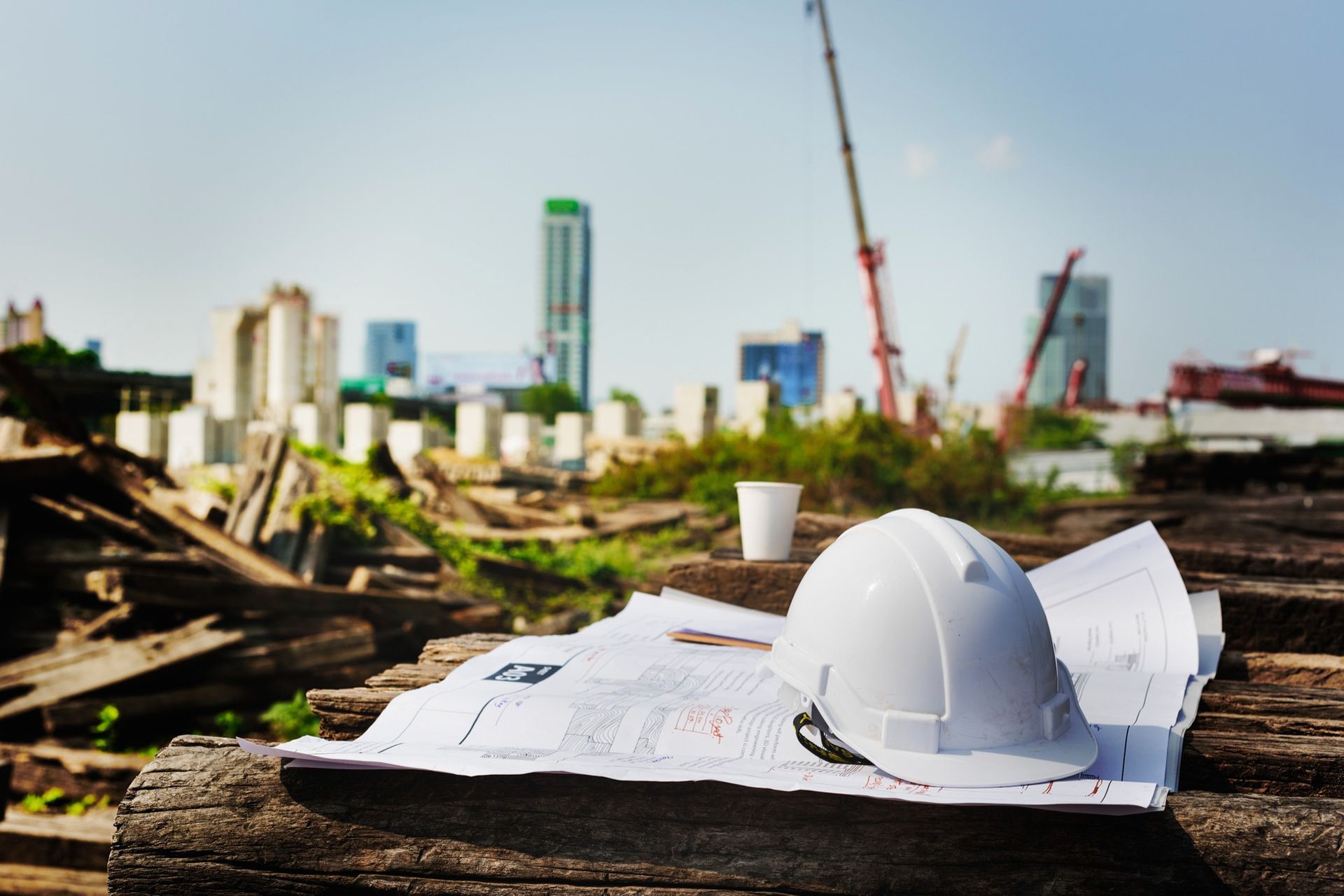
Construction can improve a property, but the work may also affect air, water, soil, and nearby communities. Dust, stormwater runoff, chemicals, fuel, waste, and equipment emissions can create problems if not controlled. That is why environmental compliance in construction should be considered before work begins and managed through every project phase.
A well-organized site can reduce risk, prevent avoidable delays, and clarify responsibilities. These steps show how project teams can make environmental protection part of daily work. It also gives supervisors a clear way to communicate expectations, track corrections, and keep environmental duties from being overlooked during fast-moving work.
What Does It Mean for a Construction Site to Be Environmentally Compliant?
A compliant site follows the environmental laws, permits, approved plans, and required practices that apply to its location and scope. Requirements may address stormwater, erosion, air emissions, dust, hazardous materials, waste, spills, noise, and protected natural areas.
Rules vary by project size, work type, materials, and local conditions. Environmental compliance on a construction site aims to identify these duties early and incorporate them into planning, training, site controls, inspections, and recordkeeping. Good environmental safety in construction also helps protect workers, nearby properties, waterways, and soil.
1. Identify Environmental Requirements Before Work Begins
Start by reviewing which construction regulations apply, including federal, state, regional, local, permit, and property-specific requirements.
Ask practical questions before crews arrive. Will the work disturb soil? Could runoff leave the property? Will demolition create regulated waste? Will fuels or chemicals be stored on-site? Could work create heavy dust or fumes?
These questions help the team understand the likely construction environmental impact and choose controls before grading, demolition, or material delivery.
2. Create a Site-Specific Environmental Management Plan
A written plan should identify risks, controls, inspection schedules, responsible people, records, and emergency procedures. It may cover erosion, stormwater, waste, spills, dust, and material storage.
Avoid relying only on a generic checklist. Drainage, soil conditions, nearby properties, project activities, and work phases can change what a site needs.
Update the plan when new subcontractors, materials, equipment, or work phases introduce different risks.
3. Manage Stormwater, Erosion, and Water Pollution
Rainwater can carry sediment, concrete residue, oil, trash, and chemicals into streets, storm drains, waterways, or neighboring properties. Install required water controls before major soil disturbance.
Protect stockpiles, maintain suitable site entrances, manage washout areas, and keep waste away from drainage routes. Inspect erosion and sediment controls regularly and after weather events.
Water protection is a key part of pollution prevention. Crews should know how water moves through the site and where pollutants could escape.
4. Control Dust, Fumes, and Airborne Pollutants
Excavation, cutting, demolition, hauling, and vehicle movement can create dust. Engines, coatings, adhesives, and other products may also release emissions or fumes.
Use controls suited to the activity, such as controlled wetting, covered loads, clean travel routes, ventilation, and maintained equipment. Keep containers closed and stored correctly.
Indoor air quality also matters during renovation. Barriers, ventilation, and clean work practices can limit dust and fumes in occupied areas. Strong environmental safety in construction includes protecting indoor and outdoor air.
5. Store and Dispose of Hazardous Materials Properly
Paints, solvents, fuels, treated materials, contaminated debris, and other products may require special handling. Workers should know what is present, where it belongs, and how to respond to leaks.
Good hazardous waste management begins with correct identification. Use suitable containers, separate incompatible materials, label storage areas, and protect waste from weather or accidental damage.
Hazardous waste disposal must follow the requirements that apply to the material and project. Do not place regulated materials into ordinary debris for convenience. A clear hazardous waste management process also improves tracking.
6. Prevent Spills and Prepare for Fast Response
Fueling, equipment maintenance, chemical use, and liquid storage can create spill risks. Keep containers secure, inspect storage areas, and use secondary containment when appropriate. Keep spill supplies within reach of trained workers.
Create a response procedure for stopping releases, containing material, protecting drains and soil, reporting incidents, and contacting agencies when required.
Regular pollution prevention checks can catch leaks, damaged containers, poor storage, or missing supplies early.
7. Train Employees and Subcontractors
A written program is useful only when people understand it. Include environmental training in site orientation and match it to each person's role.
Workers should know how to separate waste, protect controls, report spills, store materials, and contact the right supervisor. Subcontractors should follow the same procedures.
Short refresher meetings can help when work enters a new phase and reinforce why controls matter.
8. Inspect the Site and Document Findings
Routine site inspections help teams catch problems while they are manageable. Review drainage paths, sediment controls, waste areas, chemical storage, spill materials, dust conditions, and any permit-related items that apply.
Document what was checked, needed corrections, responsible people, and completion dates. Photos can record changing conditions and repairs.
Good records help identify repeat problems and show follow-through. Inspection frequency should match permits, weather, activity, and site risk.
9. Reduce Waste and Improve Resource Use
Responsible building also means reducing unnecessary material use. Order carefully, protect materials from damage, separate recyclable items when practical, and reuse suitable materials where project requirements allow.
These habits support sustainable construction by reducing waste, improving efficiency, and making busy sites easier to organize.
Consider the full construction environmental impact of purchasing, storage, installation, and disposal decisions. Small choices can add up.
10. Assign Responsibility and Correct Problems Quickly
Assign a qualified team member to manage inspections, records, training, follow-up, and communication rather than leaving duties unclear.
When a control fails, correct the immediate issue and find the cause. A changing site condition, unclear procedure, damaged equipment, or untrained subcontractor may be responsible.
Corrective action should prevent recurrence. This helps teams adapt to changing construction regulations and keeps responsibilities aligned with standard project management.
Why Environmental Responsibility Matters
Poor construction practices can cause contaminated runoff, excessive dust, unsafe material handling, complaints, cleanup costs, project delays, or regulatory action. Without proper controls, active sites can also contribute to air and water pollution and soil contamination.
Penalties depend on the law, permit, location, and seriousness of the violation, so project teams should confirm requirements with the appropriate authority.
Better planning offers benefits beyond avoiding penalties. Cleaner sites are often easier to manage and less disruptive. Responsible practices also support sustainable construction by addressing waste, resource use, pollution, and long-term effects early.
Understand the Regulatory Framework That Applies to the Project
Construction projects may be affected by federal, state, and local rules, along with site-specific permit conditions. In the United States, major federal requirements can involve the Clean Water Act, Clean Air Act, and Resource Conservation and Recovery Act. These environmental laws may affect stormwater discharges, airborne contaminants, solid waste, and regulated materials. EPA guidance also notes that certain projects disturbing one acre or more may need stormwater permit coverage, although state and local requirements can add further obligations.
Before work begins, project managers should identify the agencies with authority over the site, review permit conditions, and confirm which records must be maintained. Requirements may also change based on the project's location, size, land disturbance, demolition work, or materials used. Reviewing these duties early is much easier than trying to fix a regulatory problem after work is underway.
Choose Materials and Building Methods With Lower Environmental Effects
The materials and methods selected for a project can influence waste generation, energy use, emissions, and resource consumption. Options may include recycled-content products, responsibly sourced materials, low-VOC products, energy-efficient systems, and methods that reduce unnecessary resource use.
Project teams can look for opportunities to reduce excess ordering, protect materials from weather damage, reuse suitable products, and select durable materials that meet project requirements. Prefabricated or modular components may also reduce cutting, packaging, and job-site waste on some projects.
These decisions should still consider performance, code requirements, cost, durability, and the building's intended use. The goal is not simply to select products labeled “green,” but to make choices that reduce avoidable impacts without creating new problems later in the project.
Use Technology to Monitor Changing Site Conditions
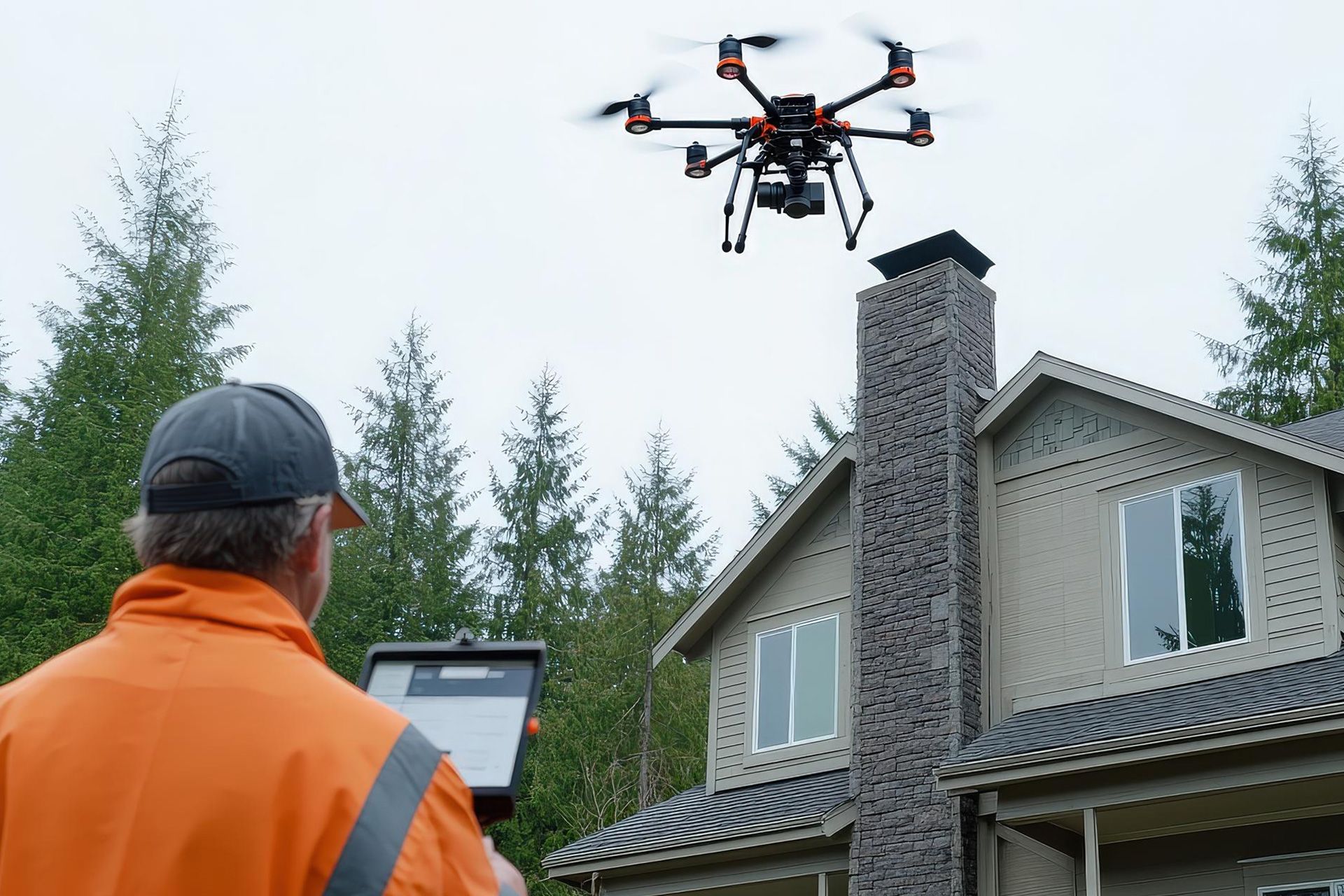
Digital tools can make site oversight more consistent, especially on large or active projects. Building Information Modeling, drones, remote sensing, digital inspection platforms, and other monitoring tools can help teams observe conditions and identify potential risks earlier.
Project teams may use technology to document drainage areas, track changing ground conditions, review difficult-to-access locations, or keep visual records of completed corrections. Digital inspection forms can also help assign tasks, record dates, attach photographs, and confirm that an issue was addressed.
Technology does not replace qualified professionals or required field reviews. Instead, it can improve communication and make site information easier to organize. The most useful tools match the project's size, complexity, location, and environmental risk level.
Conclusion: Consider a Phase 1 Assessment For a Commercial Property
Managing an active job site is only one part of reducing environmental risk. Buyers, lenders, investors, developers, and property owners may also need to understand a commercial property's past uses before a transaction or redevelopment begins.
A Phase 1 Environmental Site Assessment reviews available information about a property to identify recognized environmental conditions and other signs that additional investigation may be appropriate. This type of due diligence can be especially valuable when a site has a history involving fuel storage, automotive operations, dry cleaning, manufacturing, industrial activity, or other uses that may have affected the land.
Completing the assessment before major financial or development decisions can give stakeholders more information about potential concerns and whether further evaluation is appropriate.
Green Valley Inspections offers professional Phase 1 ESA services for commercial property buyers, lenders, investors, developers, and owners across Southern California. Our Phase 1 ESAs are designed to identify recognized environmental conditions and determine whether further investigation may be appropriate. These could affect a property before a purchase, refinance, or redevelopment project moves forward.
For commercial real estate transactions that require dependable environmental due diligence, our team provides clear, detailed reports to help you better understand the property and make confident decisions. Contact us today to schedule the inspection.
Frequently Asked Questions
What should a construction team do first?
Identify the rules, permits, site risks, and environmental conditions before work starts. Then assign responsibilities and create clear procedures for the controls the project requires.
Who should oversee site environmental duties?
A designated person or team should manage inspections, records, training, communication, and corrective actions. The exact role may vary based on project size and legal requirements.
How often should environmental controls be inspected?
The schedule depends on permits, weather, site activity, and local requirements. Controls should also be reviewed when work changes, after major weather events, or when new risks appear.
Can environmental practices improve project performance?
Yes. Good planning can reduce waste, avoid cleanup, protect materials, improve organization, and support responsible resource use.
Does a Phase 1 ESA include soil or groundwater testing?
No. A Phase 1 ESA does not normally include soil, water, or air sampling. If the assessment identifies a potential concern, a Phase 2 Environmental Site Assessment may be recommended.
Disclaimer: The information on this website and blog is for general informational purposes only and is not professional advice. We make no guarantees of accuracy or completeness. We disclaim all liability for errors, omissions, or reliance on this content. Always consult a qualified professional for specific guidance.
Search
Certification
Green Valley Inspections is InterNACHI Certified, a Certified Master Inspector, and CCPIA-certified, demonstrating advanced training, extensive experience, professional ethics, and expertise in residential and commercial property inspections across Southern California.


Social Media
Google Reviews

5-star ratings from 440+ clients across Southern California.
Contact Us
Recent Post




Service Areas
We offer home inspection services throughout the following counties: