
The Hidden Habits Fueling Mold in Your Home

Introduction
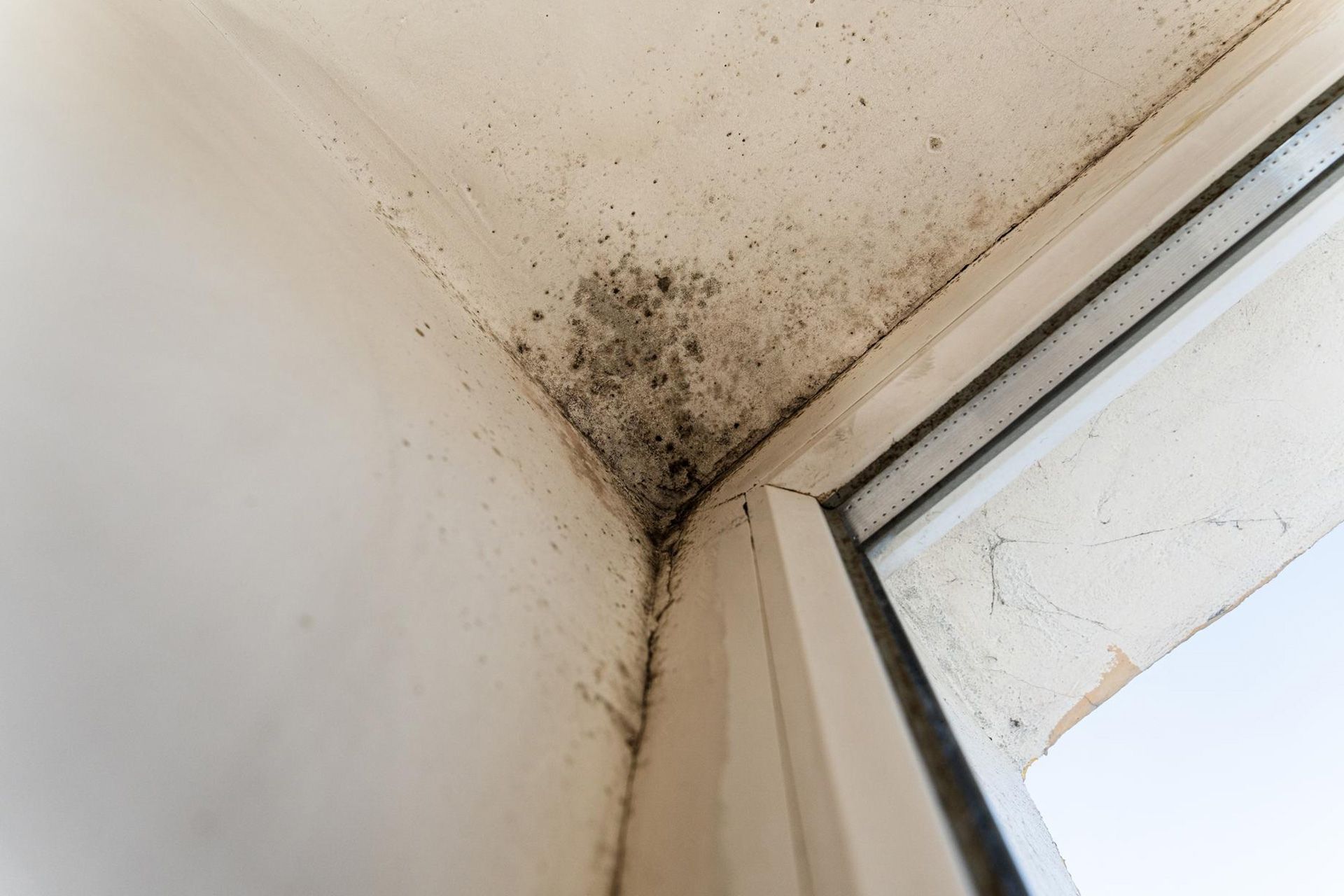
Mold rarely arrives with warning signs. It often begins with seemingly harmless routines that, over time, create the ideal environment for spores to thrive. Homeowners are often surprised to discover that everyday behaviors—ones repeated out of convenience or routine—are laying the groundwork for unwanted moisture and microbial growth.
Overlooking Ventilation Needs
While bathrooms and kitchens are obvious areas for moisture accumulation, it’s the way they’re used that often contributes most to mold. Running a hot shower without a fan or leaving the bathroom door shut afterwards traps humidity. In the kitchen, boiling water with windows closed and fans off has a similar effect. Poor airflow transforms these high-use spaces into breeding grounds.
Drying Laundry Indoors
Clothes draped over furniture or hung inside to dry during cold or rainy weather release significant moisture into the air. Even small loads can elevate indoor humidity, especially in closed spaces. Without a dehumidifier or adequate ventilation, mold spores find all they need in this extra moisture and nearby porous materials like drywall or upholstery.
Neglecting Routine Maintenance
Dripping faucets, sweating pipes, or condensation on window sills may seem minor but they signal consistent moisture—mold’s key ingredient. Left unattended, these areas often become repeat offenders, fostering fungal growth in unseen cracks or behind walls. Small repairs made promptly can save thousands in future remediation.
Misusing Storage Areas
Basements, attics, and closets are often packed with boxes, fabrics, and paper—materials that trap moisture when airflow is limited. Storing items directly against walls or in tightly sealed plastic bins without desiccants increases the risk. These are the places mold grows first, long before it becomes visible.
Skipping HVAC and Filter Care
HVAC systems not only regulate temperature but also help manage humidity. When filters are clogged or coils are dirty, moisture control suffers. Infrequent maintenance allows condensation to build up unnoticed inside ducts and around vents, distributing spores through the entire home.
Final Thoughts
Mold doesn’t need a flood to take hold—it thrives in slow, unnoticed moisture buildup. Thoughtful changes in routine, combined with vigilance in maintenance, can drastically reduce the chances of infestation. Awareness is a powerful tool, and small daily choices often make the biggest difference.
Search
Certification
Green Valley Inspections is InterNACHI Certified, a Certified Master Inspector, and CCPIA-certified, demonstrating advanced training, extensive experience, professional ethics, and expertise in residential and commercial property inspections across Southern California.



Social Media
Google Reviews

5-star ratings from 440+ clients across Southern California.
Contact Us
Recent Post




Service Areas
We offer home inspection services throughout the following counties: