
Why Short-Term Vacation Rentals Require Extra Inspection and Maintenance
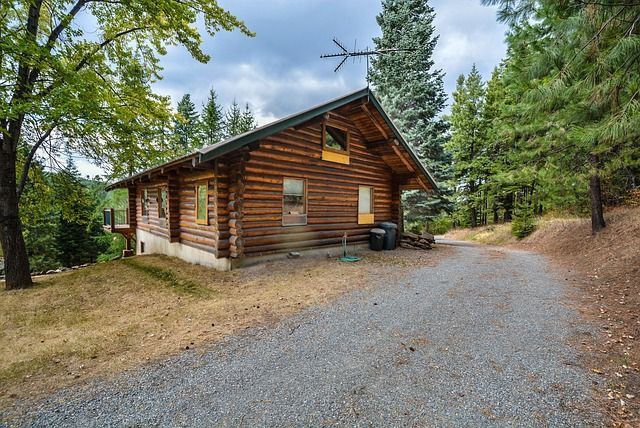
Short-term vacation rentals have surged in popularity, offering travelers the comforts of home while providing property owners with a valuable income stream. But unlike traditional rental properties, vacation homes demand a unique and more vigilant approach to inspection and maintenance.
High Turnover = Accelerated Wear and Tear
Long-term tenants typically settle in and treat a home as their own. In contrast, short-term guests may come and go weekly—or even daily—bringing with them a wide range of usage patterns and expectations. This constant turnover accelerates wear on everything from flooring to fixtures, and issues can surface quickly if not routinely addressed.
A faucet drip, a finicky thermostat, or a door that sticks might go unnoticed for months in a primary residence. In a vacation rental, that same issue can lead to poor reviews and guest complaints, which can have a direct impact on bookings and income.
Guest Safety Is Non-Negotiable
With so many people cycling through the property, safety becomes a top priority. Regular checks of smoke detectors, carbon monoxide alarms, locks, stair railings, and exterior lighting are critical. Something as minor as a loose step or malfunctioning lock can pose a significant liability—and damage your reputation.
By staying on top of safety inspections, you ensure not only peace of mind for your guests, but also legal protection for yourself.
Maintenance Goes Beyond Housekeeping
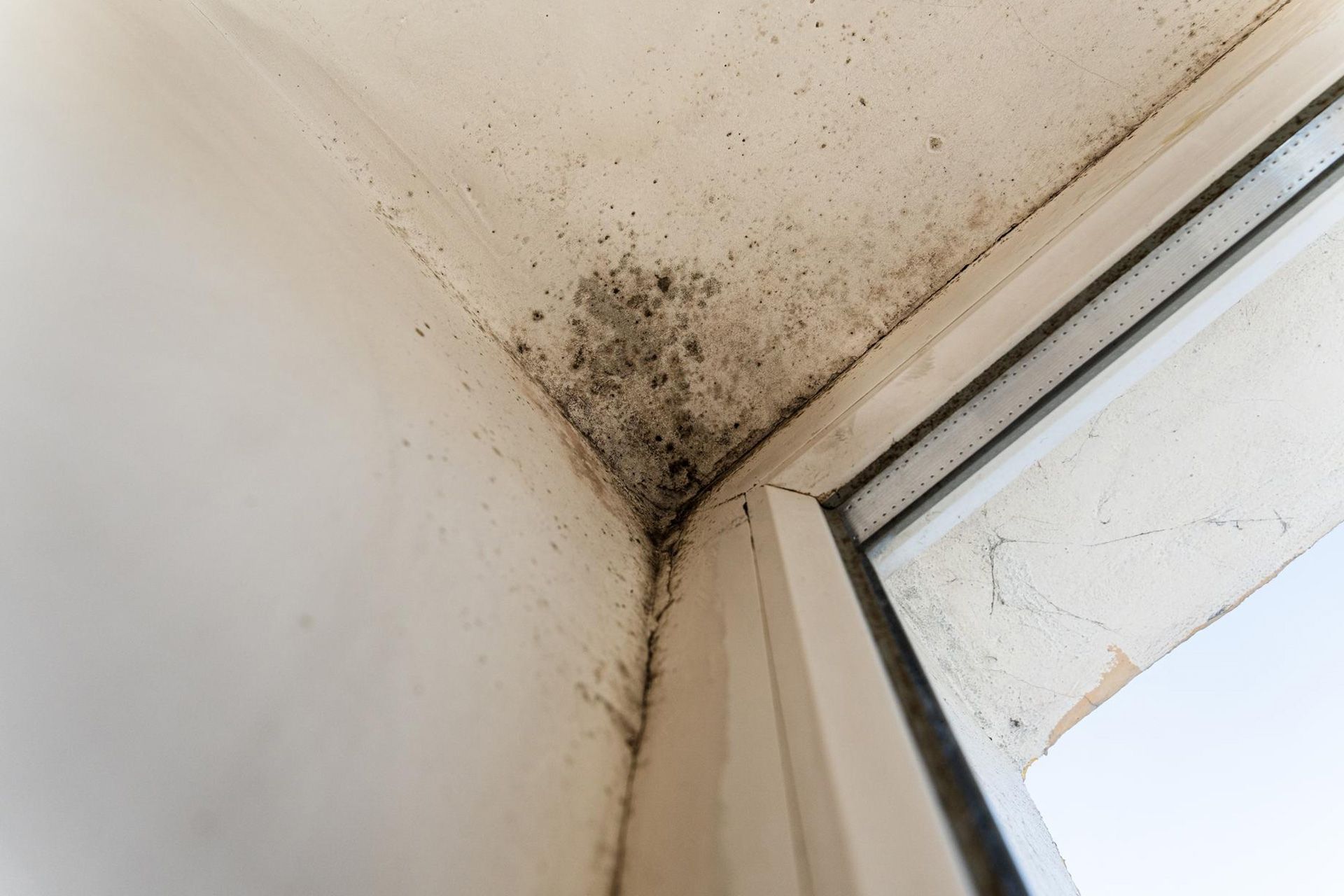
While cleaning crews handle surface-level tidiness between guests, they aren’t trained to spot deeper issues. Mold in a bathroom corner, pest activity, cracked caulking, or early signs of water damage may go unnoticed unless someone is specifically looking for them.
Periodic, detail-oriented inspections allow property owners to catch and address these problems before they become costly repairs—or worse, guest complaints.
Stay Ahead of Regulations
In many regions, short-term rentals are now subject to local regulations and inspection standards. These can include fire safety codes, health requirements, or zoning restrictions. This isn’t just a matter of being compliant to avoid fines—it’s about running a trustworthy, professional business.
Proactive Care Pays Off
Short-term rentals should be treated like small hospitality businesses. Prioritizing inspections and preventative maintenance not only keeps guests happy, but also helps preserve the property’s value and long-term profitability.
Ultimately, the most successful hosts are the ones who stay ahead of problems rather than reacting to them. Frequent, focused inspections are the key to ensuring your rental is safe, functional, and guest-ready—every single time.
Search
Certification
Green Valley Inspections is InterNACHI Certified, a Certified Master Inspector, and CCPIA-certified, demonstrating advanced training, extensive experience, professional ethics, and expertise in residential and commercial property inspections across Southern California.
Social Media
Google Reviews

5-star ratings from 440+ clients across Southern California.
Contact Us
Recent Post



Service Areas
We offer home inspection services throughout the following counties: