
5 Basement Air Vent Fans to Help You Breathe Easier
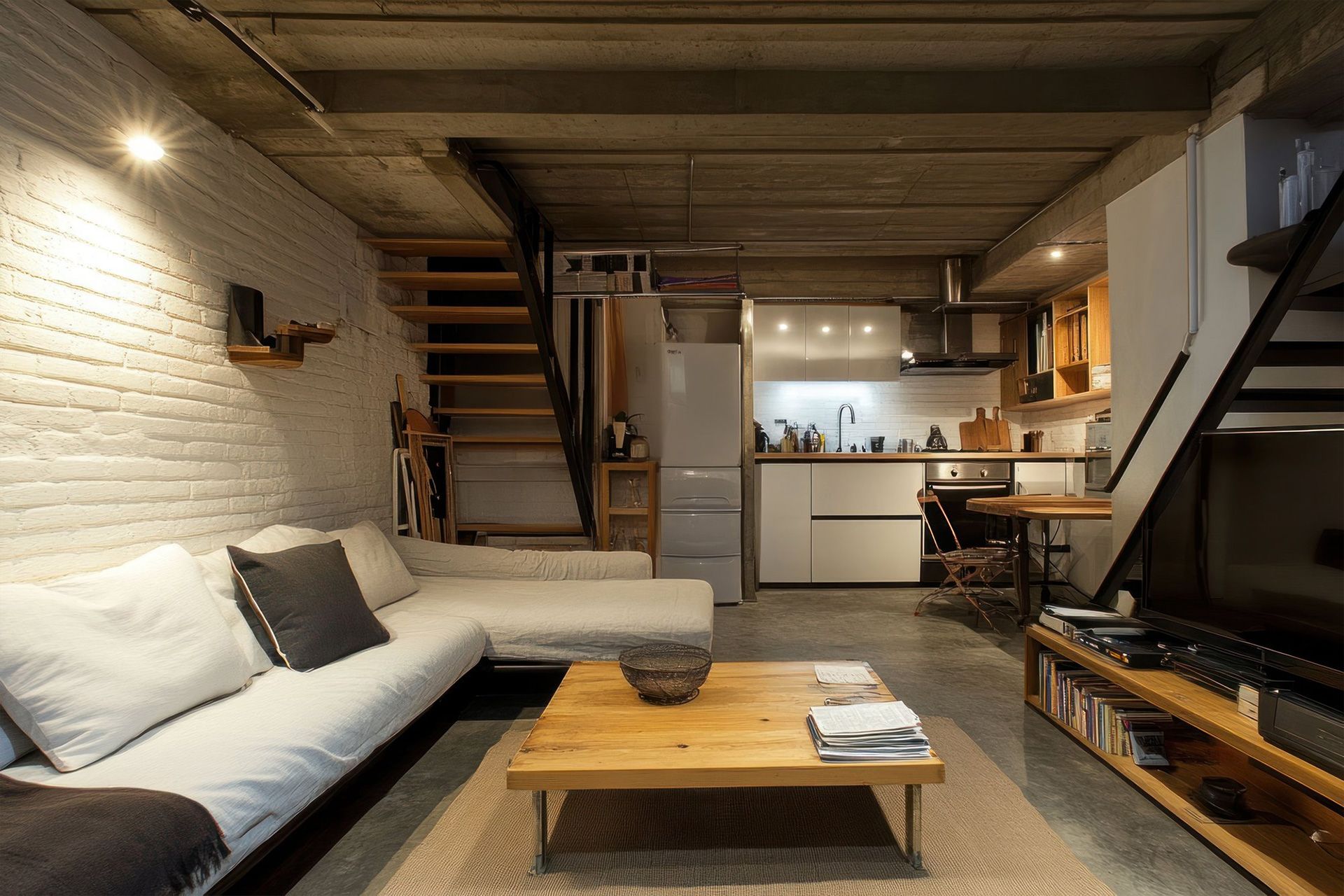
A basement that feels damp, stuffy, or smells musty may not be getting enough fresh air. Basement air vent fans can improve air movement by removing stale air and, depending on the system, bringing outdoor air into the space.
The right solution depends on the basement layout, moisture level, existing HVAC system, and how the area is used. A simple exhaust fan may work for a small unfinished space, while a finished basement may benefit from a more complete ventilation system.
The important part is understanding what each option actually does. Ventilation, dehumidification, and air filtration are related, but they are not the same thing.
This guide explains five common fan-based options, how they work, and what homeowners should consider before changing basement airflow.
Why Basement Ventilation Matters
Basements are partly or fully below ground level, which can make air movement more difficult than in other areas of a home. Moisture may also enter through foundation walls, plumbing leaks, condensation, or poor exterior drainage.
When airflow is limited, homeowners may notice:
- Stale or heavy air
- Musty odors
- Condensation
- Elevated humidity
- Damp walls or floors
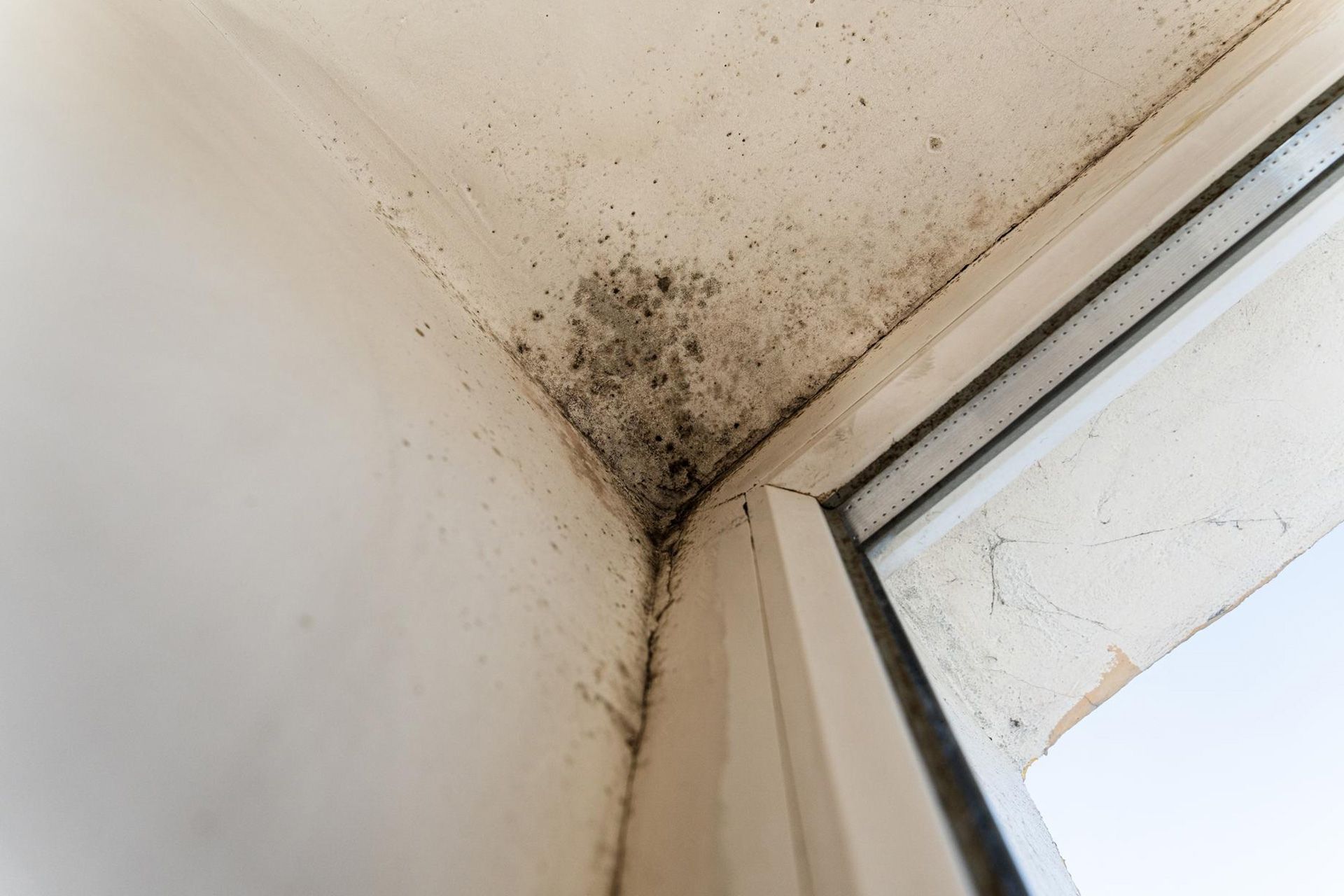
- Mold or mildew growth
- Rust or corrosion on metal surfaces
- Stored items feeling damp
- Uneven temperatures
Ventilation helps exchange indoor air and can remove moisture and pollutants at their source. The U.S. Department of Energy describes spot ventilation as the use of localized exhaust fans to remove moisture and pollutants from specific areas.
However, basement ventilation works best when the underlying moisture source is also addressed. A fan cannot repair a foundation leak, broken pipe, drainage problem, or failed waterproofing system.
What Are Basement Air Vent Fans?
Basement air vent fans are powered devices that move air into, out of, or through a basement.
Some fans simply exhaust indoor air outdoors. Others are part of larger basement ventilation units that remove stale air while supplying outdoor air.
The main goal is controlled airflow.
That distinction matters because an air purifier or dehumidifier does not actually ventilate a basement.
A dehumidifier removes water from indoor air. An air purifier filters particles from air already inside the room. Both may be useful, but neither replaces proper ventilation when fresh-air exchange is needed.
5 Basement Air Vent Fans and Ventilation Options
Different basements require different approaches. Here are five common options homeowners may consider.
1. Through-Wall Exhaust Fan
A through-wall exhaust fan is one of the simplest forms of powered basement ventilation.
The fan is installed through an exterior wall and pulls stale indoor air directly outside. Replacement air then enters the basement through another opening or through air leakage from other parts of the home.
A basement vent fan like this may be useful for:
- Small unfinished basements
- Utility areas
- Workshops
- Laundry spaces
- Rooms with persistent stale air
Through-wall fans can provide direct exhaust without requiring a long duct run.
However, the fan must discharge outdoors. Exhausting moist air into a crawl space, attic, garage, or another enclosed area can simply move the problem somewhere else.
Homeowners should also consider where replacement air will come from. Removing air without providing a reasonable supply path may create unwanted pressure differences.
2. Window Exhaust Fan
If the basement has an appropriate window, a window fan can provide a simpler ventilation option.
The fan can be positioned to push basement air outdoors. Another window or opening may allow replacement air to enter from the opposite side of the space.
This creates cross-ventilation and may help move stagnant air.
Window fans can be useful when:
- The basement already has operable windows
- Permanent installation is not desired
- Airflow is needed only during certain weather conditions
- The space is used occasionally rather than every day
However, outdoor conditions matter.
Opening windows or running a window fan during hot, humid, smoky, or rainy conditions may not improve indoor conditions. In some situations, bringing humid outdoor air into a cooler basement may increase condensation.
For Southern California homeowners, local conditions can vary considerably between coastal and inland communities. Outdoor air quality and humidity should be considered before relying entirely on natural or window-based ventilation.
A window fan is best viewed as a simple airflow tool rather than a complete moisture-control system.
3. Inline Duct Fan
An inline duct fan is installed inside ductwork instead of directly in a wall or window.
The fan moves air through a duct that connects the basement to an exterior termination point. It can be useful when the best exhaust location is not directly beside the area that needs ventilation.
For example, an inline basement ventilation fan may serve:
- A basement bathroom
- An interior laundry room
- A storage space
- A room without an exterior wall
- A long ventilation duct
Inline fans are available in different airflow capacities. Proper sizing depends on factors such as room size, duct length, bends in the duct, and the intended use of the system.
More airflow is not automatically better.
An oversized exhaust fan can create unnecessary pressure differences, noise, and energy use. Proper design is especially important when the basement contains fuel-burning appliances.
A qualified HVAC or ventilation professional can determine whether an inline fan is appropriate and how it should be installed.
4. Energy Recovery Ventilator
An energy recovery ventilator, commonly called an ERV, provides a more controlled form of ventilation.
Instead of simply exhausting basement air, an ERV typically uses two air streams. One removes stale indoor air while another brings outdoor air inside.
The system also transfers some heat and moisture between the outgoing and incoming air streams. This can reduce some of the heating or cooling loss associated with bringing outdoor air directly into the home.
An ERV may be worth considering when the basement:
- Is finished living space
- Is used frequently
- Has limited window ventilation
- Is part of a tightly sealed home
- Needs controlled fresh-air exchange
These systems are more complex than a basic exhaust fan and usually require professional design and installation.
An ERV also does not fix active water intrusion. If the basement has wet walls, standing water, or plumbing leaks, those issues should be investigated separately.
5. Heat Recovery Ventilator
A heat recovery ventilator, or HRV, is similar to an ERV because it exchanges stale indoor air with outdoor air.
The major difference is how the unit handles moisture.
An HRV primarily transfers heat between outgoing and incoming air streams, while an ERV can transfer both heat and some moisture.
The most suitable system depends on climate, indoor humidity, building design, and how the basement is connected to the rest of the home.
HRVs may be used as part of basement ventilation units or whole-home ventilation systems.
For a finished basement that functions as a bedroom, family room, office, or other occupied space, a professionally designed ventilation system may provide more consistent airflow than a basic window or wall fan.
Which Basement Ventilation Fan Is Right for Your Home?
Choosing between these options requires more than selecting the largest fan available.
Consider the following factors first.
Basement Size and Layout
A small open basement has different airflow needs than a large finished basement divided into several rooms.
Air must be able to move throughout the space. One fan installed in a remote corner may have little effect on a closed room at the other end of the basement.
Doors, walls, stairways, windows, and existing ductwork can all affect airflow.
How the Basement Is Used
An unfinished storage area may only need occasional ventilation.
A finished basement used as regular living space may need controlled ventilation that works consistently throughout the year.
Basement bathrooms, laundry rooms, workshops, and exercise areas can also create different moisture and ventilation demands.
Existing Moisture Problems
Before installing a fan, determine whether excess moisture is coming from the air or from the building itself.
Possible moisture sources include:
- Foundation leaks
- Plumbing leaks
- Poor exterior drainage
- Groundwater intrusion
- Condensation
- Unvented clothes dryers
- Bathroom moisture
- High indoor humidity
The EPA recommends addressing moisture problems at their source. Examples include correcting drainage around the foundation and properly venting dryers outdoors.
Installing a fan without fixing a leak may hide the symptoms temporarily while the underlying problem continues.
Existing HVAC and Ductwork
Some homeowners assume they can simply add another supply vent from the existing HVAC system.
It may not be that simple.
Heating and cooling equipment is designed around specific airflow requirements. Adding or changing ducts can affect comfort, efficiency, pressure balance, and system performance.
If HVAC modifications are being considered, have the existing system evaluated first.
Does a Basement Vent Help With Humidity?
A basement vent can help with humidity when outdoor air is drier than basement air and the system is designed correctly.
However, ventilation can also introduce moisture when outdoor air is more humid.
That is why a ventilation fan and a dehumidifier perform different jobs.
A dehumidifier removes moisture from indoor air without replacing it with outdoor air. This can be useful when the basement is humid but outdoor conditions make additional ventilation undesirable.
In some homes, the best approach may involve both ventilation and dehumidification.
The correct solution depends on why the basement is damp in the first place.
Do Air Purifiers Replace Basement Ventilation?
No.
Air purifiers and ventilation systems serve different purposes.
An air purifier circulates indoor air through filters. Depending on the filter, it may capture dust and other airborne particles.
Ventilation removes indoor air and replaces or exchanges it with air from another location.
If a basement feels stale because very little fresh air enters the space, an air purifier alone does not solve that ventilation problem.
It may still be useful as part of a broader indoor air strategy.
What About Radon and Basement Ventilation?
Homeowners should not use ordinary basement air vent fans as a substitute for a radon mitigation system.
Radon enters buildings from soil and requires specific testing and mitigation methods. Changes in building pressure can also affect how soil gases move into a structure.
EPA guidance describes dedicated radon systems that use properly designed vent piping and fans to move soil gases safely outside.
If radon is suspected or testing identifies elevated levels, consult a qualified radon professional instead of relying on a general exhaust fan.
Signs You Should Investigate Basement Airflow
A basement does not need to smell terrible before airflow deserves attention.
Possible warning signs include:
- Persistent musty odors
- Condensation on windows or pipes
- Visible moisture staining
- Mold-like growth
- Rust on metal components
- Peeling paint
- Damp carpeting
- Warped wood
- Stuffy air
- Repeated use of a dehumidifier that never seems to solve the problem
These signs do not automatically mean ventilation is the only issue.
For example, condensation may point to humidity, while staining near the foundation could indicate water intrusion.
The goal should be to identify the cause before choosing a solution.
Common Basement Ventilation Mistakes
Homeowners sometimes try to solve basement air problems with a quick fan installation. That can create disappointing results when the system is not matched to the problem.
Common mistakes include:
- Exhausting air into an attic or garage
- Assuming a dehumidifier supplies fresh air
- Running a window fan during humid outdoor conditions
- Ignoring foundation or plumbing leaks
- Adding HVAC ducts without evaluating the system
- Blocking existing supply or return vents
- Installing an oversized exhaust fan
- Using a normal exhaust fan as a radon solution
- Ignoring combustion appliances in the basement
- Focusing only on odors instead of identifying their source
Good basement ventilation starts with understanding the building as a complete system.
Air pressure, moisture, HVAC operation, drainage, insulation, and ventilation can all affect one another.
Basement Ventilation in Southern California Homes
Southern California has a wide range of climates. Conditions near the coast can be very different from inland areas of San Bernardino, Riverside, Los Angeles, Orange, and San Diego counties.
That means there is no single ventilation approach that works for every basement.
A fan that works well during dry weather may be less useful when outdoor humidity or air quality changes. Finished spaces may also have different needs from unfinished utility basements.
Homeowners should look at the whole space, including:
- Foundation condition
- Exterior drainage
- HVAC equipment
- Ductwork
- Windows
- Plumbing
- Visible moisture
- Insulation
- Ventilation openings
A home inspection can help identify visible conditions that may contribute to moisture or airflow concerns before homeowners decide what type of repair or ventilation upgrade to pursue.
Choose Basement Air Vent Fans Based on the Problem, Not Just the Fan
The best basement air vent fans are the ones that match the actual needs of the space.
A through-wall exhaust fan may provide simple ventilation for a small utility basement. A window fan can offer temporary airflow when outdoor conditions are favorable. Inline fans work well where air must travel through ductwork, while ERVs and HRVs provide more controlled fresh-air exchange for finished or regularly occupied spaces.
But ventilation is only part of the picture.
If you notice moisture stains, musty odors, condensation, HVAC concerns, or other signs of a possible problem, identifying the source should come before choosing equipment.
For homeowners, buyers, and sellers throughout Southern California, Green Valley Inspections provides detailed home inspections that evaluate accessible HVAC components, ventilation, visible moisture concerns, structural areas, plumbing, electrical systems, and other major parts of the property. If you want a clearer understanding of your home's condition before making repairs or purchasing a property, contact Green Valley Inspections to schedule a professional home inspection.
Frequently Asked Questions
What is the best fan for ventilating a basement?
There is no single best fan for every basement. Small spaces may benefit from a through-wall or window exhaust fan, while finished basements may need an inline fan, ERV, HRV, or another professionally designed ventilation system. The right choice depends on the layout, moisture conditions, and how the basement is used.
Should a basement ventilation fan run all the time?
Not always. Some ventilation systems are designed for continuous low-speed operation, while others run only when needed. Continuous exhaust can also affect indoor pressure and energy use. Follow the system manufacturer's instructions and professional recommendations.
Will a basement vent fan remove musty smells?
A fan may reduce musty odors by improving airflow, but it will not correct the underlying source if the odor comes from water intrusion, damp materials, mold growth, or plumbing problems. The moisture source should be identified and addressed.
Is a dehumidifier the same as a basement ventilation fan?
No. A dehumidifier removes moisture from indoor air but does not provide fresh-air exchange. A ventilation fan moves air into or out of the basement. Some homes may benefit from using both.
Can I vent basement air into my garage or attic?
Basement exhaust should generally be directed to an appropriate outdoor location rather than another enclosed part of the home. Moving damp or contaminated air into an attic, garage, or crawl space can create new moisture or air-quality concerns.
Can basement air vent fans prevent mold?
Ventilation can help manage conditions that contribute to excess moisture, but a fan alone cannot prevent every mold problem. Leaks, drainage issues, condensation, and damp building materials must also be addressed.
Should I install a basement vent fan before buying a dehumidifier?
First determine why the basement is damp. If moisture is mainly caused by high indoor humidity, dehumidification may be useful. If stale air and poor air exchange are the main concerns, ventilation may help. When leaks or drainage problems are present, those issues should be corrected first.
Disclaimer: The information on this website and blog is for general informational purposes only and is not professional advice. We make no guarantees of accuracy or completeness. We disclaim all liability for errors, omissions, or reliance on this content. Always consult a qualified professional for specific guidance.
Search
Certification
Green Valley Inspections is InterNACHI Certified, a Certified Master Inspector, and CCPIA-certified, demonstrating advanced training, extensive experience, professional ethics, and expertise in residential and commercial property inspections across Southern California.



Social Media
Google Reviews

5-star ratings from 440+ clients across Southern California.
Contact Us
Recent Post



Service Areas
We offer home inspection services throughout the following counties: