
Buying a House With Polybutylene Pipes: Risks and Inspection Questions
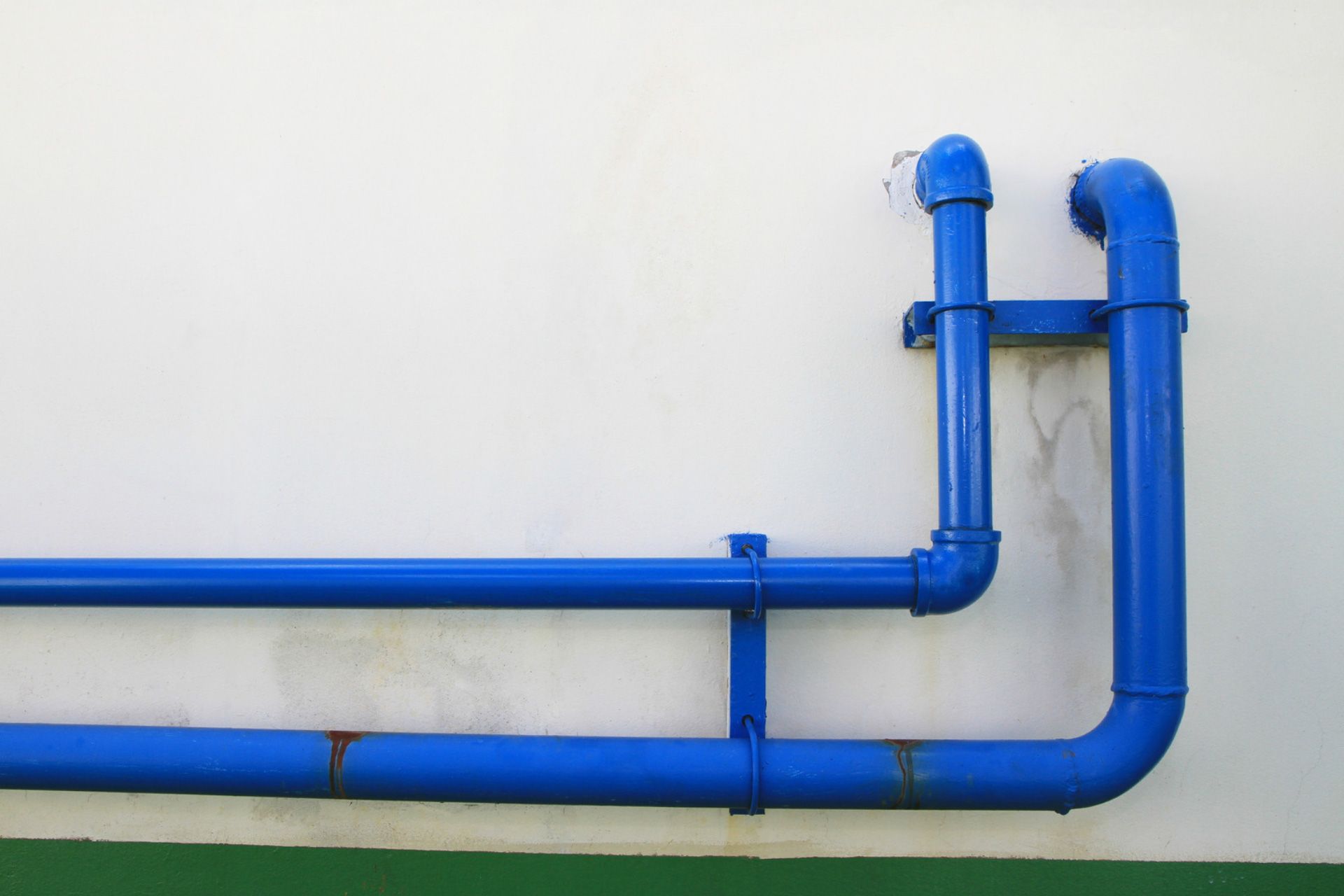
Buying an older home can raise plumbing questions, especially when the inspection report identifies a material you have never heard of. Polybutylene pipes are one of those findings that deserve careful attention before closing. Their presence does not automatically mean you should walk away, but it does mean you should learn how much of the system remains, whether there is a history of leakage, and what a licensed plumber recommends.
For buyers, the goal is to understand what you can see, what stays hidden, and what questions to ask before closing.
What Buyers Should Know About Polybutylene
Polybutylene was used as flexible water-supply piping from the late 1970s through the mid-1990s. It was lightweight, flexible, and easier to install than some rigid materials. The concern today is that deterioration can occur from the inside, where it may not be visible during a normal property inspection.
This means an exposed section can look acceptable while concealed parts may have aged or been exposed to chemicals. Polybutylene pipes are therefore treated as an important material finding rather than something an inspector can approve based only on appearance.
The practical issue for a buyer is uncertainty. The best approach is to document what is present and investigate the home's plumbing history.
Why This Plumbing Material Gets Extra Attention
The main concern is that deterioration may not provide an obvious warning before a failure occurs. Connections, fittings, or pipe walls can be hidden behind finished surfaces.
Common polybutylene plumbing problems include leakage at fittings, cracking, deterioration in concealed sections, and water damage from a failure. An inspector may see staining or previous repairs, but the absence of these clues does not prove that all concealed piping is in good condition.
Insurance companies can also have their own rules for older plumbing materials. Before contract deadlines expire, ask your insurance agent whether the material affects eligibility, documentation, or underwriting for the specific property.
How to Identify Polybutylene Pipes
Identification starts with visible supply piping. PB pipe is generally flexible rather than rigid and may curve around obstacles instead of using an elbow at every turn. It is commonly marked with "PB2110" printed along the pipe.
Many people describe the material as gray plastic water pipes, but color alone is not enough to confirm it. Polybutylene may also appear white, silver, black, or blue. Other plastic piping can look similar, so consider markings, fittings, location, age, and professional identification.
Common places to look include crawlspaces, utility rooms, near water heaters, under sinks, and where the water service enters the building. Buyers should not remove finishes to search for hidden piping.
What a Home Inspector Can Observe and Document
During a home inspection, an inspector can review visible and accessible plumbing materials and note where suspected or confirmed polybutylene is present. The report may also document active leakage, stains, repairs, mixed piping materials, damaged fittings, or other visible concerns.
The inspector can operate normal fixtures and observe general water flow, but weak flow should not automatically be blamed on the piping material without further evidence.
A noninvasive inspection cannot reveal the inside condition of concealed lines. An inspector will not normally cut open walls, disconnect fittings, or remove sections of pipe to test hidden material. That is why the report may recommend a licensed plumber when the system's extent or condition can't be established visually.
Visible Signs Buyers Should Pay Attention To
Visible clues do not predict exactly when a plumbing failure will happen, but they can make further evaluation more important.
- Water stains or patched finishes: Staining may indicate a current or past leak. Ask what caused it and how it was repaired.
- Mixed plumbing materials: Newer materials connected to older lines may indicate partial replacement. Find out what remains.
- Damp fittings or active leaks: Document and evaluate moisture at accessible connections before closing.
- Weak water flow: Low flow can have several causes. Ask whether the seller has noticed changes or had the system evaluated.
Ask Whether the Plumbing Was Partially Replaced
One of the most useful questions is whether the property was fully repiped or only repaired in selected areas. Newer piping under sinks does not prove that all concealed polybutylene plumbing has been removed.
Ask for invoices, permits, or contractor records that describe the actual scope of work. A record stating "plumbing repair" may refer to only one section.
PB pipe may remain in walls, crawlspaces, ceilings, or service lines even when remodeled areas contain newer materials. Determine what was replaced and what remains.
Questions to Ask the Seller Before Closing
A few specific questions can reveal more than simply asking whether the plumbing works.
- Has the home ever had a supply-line leak? Ask where it occurred, what caused it, and how they repaired it.
- Was any portion repiped? Request dates, permits, and invoices when available.
- Were there water-damage repairs? Ask what areas were affected and why.
- Did a plumber recommend more replacement? Find out whether that work was completed.
Insurance Questions Matter Before You Commit
Do not assume every insurer treats the material the same way. Ask your insurance agent about the exact property and disclose what the inspection found.
If the carrier requests a 4-point inspection insurance check, confirm what documentation it expects and whether the plumbing material affects underwriting. Resolve these questions before closing whenever possible.
When a Licensed Plumber Should Evaluate the System
A plumber should join the conversation once the material is confirmed and the buyer needs more information than a visual inspection can provide. Further evaluation is especially reasonable when there are active leaks, past water damage, repeated repairs, uncertain replacement history, or a large amount of original piping.
A licensed plumber can discuss the visible system, replacement options, access challenges, and likely scope of work. The goal is not to predict failure, but to give the buyer better information about the installation and available options.
Should Polybutylene Stop You From Buying the House?
Not automatically. Polybutylene pipes are one property condition to evaluate alongside the roof, electrical system, structure, HVAC equipment, drainage, and other major components.
A home with clear replacement records is different from one with widespread original piping, repeated leaks, and an unclear history. Consider the inspection findings, plumber feedback, and insurance requirements for future work.
Don't base your decision only on appearance. Gray plastic water pipes that look clean in an exposed area don't tell you the condition of every concealed run.
A Practical Buyer Checklist
Before your contingency period ends, confirm:
- Where the polybutylene pipes are visible and how you identified them.
- Whether there is evidence of leakage, staining, or prior water damage.
- Whether records show partial or complete replacement.
- Whether a plumber should review significant concerns.
- What your insurer needs to finalize coverage.
Conclusion
Buying a home with older plastic supply piping calls for careful research, not panic. The most useful information comes from identifying the material, documenting visible conditions, checking leak and repair history, reviewing replacement records, and understanding insurance requirements.
Polybutylene plumbing problems can be hard to judge from the outside because standard inspections can't see concealed sections. That is why buyers should combine a professional home inspection with seller records and input from a licensed plumber when further evaluation is needed.
Green Valley Inspections helps buyers understand visible plumbing materials and other accessible property conditions before closing. If you are buying an older home and want a clearer picture of its major systems, contact us to schedule a thorough home inspection.
Frequently Asked Questions
Does the presence of polybutylene automatically mean the plumbing is leaking?
No. The material may be present without an active visible leak. However, a visual inspection can't assess every concealed section, so the finding still warrants careful review.
Can an inspector confirm the pipe just by its color?
Not always. Color is only one clue. Markings such as "PB2110," flexibility, fittings, location, and other characteristics help distinguish it from other plastic piping.
What should I do if the seller says the home was repiped?
Ask for detailed invoices, permits, contractor records, or other documentation showing the areas replaced. Confirm whether the work covered the whole property or only selected sections.
Should I call a plumber even if there are no visible leaks?
A plumber's evaluation can help if much of the original piping remains, the history is unclear, previous leaks occurred, or you need replacement options before closing.
Can a house with this material still be purchased?
Yes. The finding does not automatically make a home unsuitable to buy. Buyers should weigh the inspection report, repair history, plumber recommendations, insurance requirements, and any planned replacement work before deciding.
Disclaimer: The information on this website and blog is for general informational purposes only and is not professional advice. We make no guarantees of accuracy or completeness. We disclaim all liability for errors, omissions, or reliance on this content. Always consult a qualified professional for specific guidance.
Search
Certification
Green Valley Inspections is InterNACHI Certified, a Certified Master Inspector, and CCPIA-certified, demonstrating advanced training, extensive experience, professional ethics, and expertise in residential and commercial property inspections across Southern California.


Social Media
Google Reviews

5-star ratings from 440+ clients across Southern California.
Contact Us
Recent Post



Service Areas
We offer home inspection services throughout the following counties: