
How to Detect Carbon Monoxide at Home: Complete Safety Guide
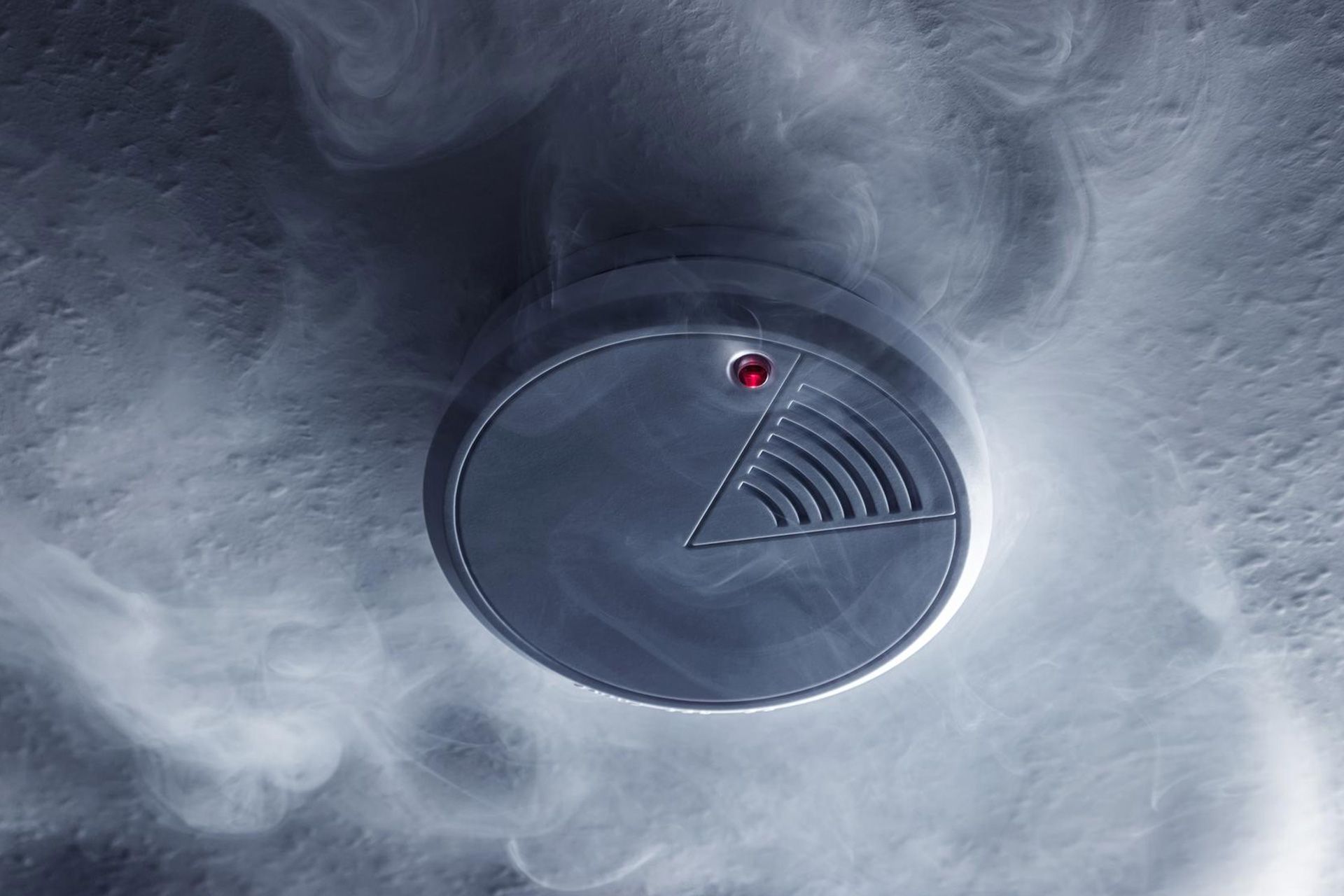
Carbon monoxide is especially dangerous because you cannot see, smell, or taste it. A home can contain unsafe levels without giving you an obvious warning. The safest way to detect carbon monoxide is with properly installed and maintained carbon monoxide alarms.
If you are wondering how to detect for carbon monoxide in your home, do not rely on odors, visible smoke, headaches, pets, or other homemade methods. Use working CO alarms and have fuel-burning equipment professionally evaluated when there is a concern.
Homeowners should also understand the difference between testing a carbon monoxide alarm and testing the air itself. Pressing the test button checks the alarm's operation according to the manufacturer's instructions. Measuring carbon monoxide in the air requires equipment designed to detect the gas.
This guide explains how to detect carbon monoxide, how to test your CO alarm correctly, what warning signs deserve attention, and what to do if you suspect a problem.
What Is Carbon Monoxide?
Carbon monoxide, commonly shortened to CO, is a gas created when fuels burn.
Potential household sources can include:
- Furnaces
- Gas water heaters
- Fireplaces
- Gas ranges
- Fuel-burning space heaters
- Generators
- Vehicles
- Other fuel-burning equipment
Problems can develop when an appliance is damaged, improperly installed, poorly maintained, or unable to vent combustion gases correctly. Vehicles and portable generators can also create dangerous carbon monoxide concentrations when operated in or too close to enclosed spaces.
Carbon monoxide becomes dangerous because breathing it reduces the body's ability to carry oxygen effectively.
How Can I Detect Carbon Monoxide?
The most reliable way for a homeowner to detect an unexpected buildup of carbon monoxide is with a working CO alarm.
You cannot reliably detect the gas with your senses because it has no color or smell. Waiting until someone feels sick is not a safe detection method.
A safer approach includes several layers:
- Install appropriate carbon monoxide alarms.
- Test alarms regularly.
- Replace batteries and alarms according to manufacturer instructions.
- Maintain fuel-burning equipment.
- Keep appliance vents and exhaust pathways in proper condition.
- Never run generators or vehicles in enclosed spaces.
- Respond immediately if an alarm sounds.
A CO alarm provides an important warning, but it should not replace proper installation and maintenance of fuel-burning equipment.
Where Should Carbon Monoxide Alarms Be Installed?
Proper placement matters because one alarm may not provide appropriate coverage for an entire house.
The U.S. Consumer Product Safety Commission recommends carbon monoxide alarms on each level of the home and outside sleeping areas. Installation should also follow the specific manufacturer's instructions.
Avoid choosing an alarm location based only on convenience.
Manufacturer instructions may address how far the alarm should be from fuel-burning equipment, doors, windows, vents, furniture, and other features that can affect how air reaches the sensor.
Carbon Monoxide Alarms in California Homes
California law requires approved carbon monoxide devices in existing dwelling units intended for human occupancy when the property has a fossil-fuel-burning heater or appliance, fireplace, or attached garage. Placement must follow applicable building standards or manufacturer instructions when technically feasible.
That makes working CO alarms especially relevant for Southern California homeowners and buyers evaluating homes with gas appliances, fireplaces, or attached garages.
How to Test a Carbon Monoxide Detector
If you are asking how to test carbon monoxide detector operation, start with the manufacturer's instructions for your specific model.
For most household alarms, testing involves pressing and holding the test button until the alarm produces its test signal.
CPSC recommends testing CO alarms monthly.
A basic process may look like this:
- Locate the test button on the alarm.
- Make sure the alarm has power.
- Press or hold the test button as directed.
- Listen for the expected alarm pattern.
- Check for warning lights, messages, or error signals.
- Follow the manufacturer's instructions if the unit does not respond.
Do not assume that a silent alarm simply needs a battery. Depending on the model, it may have reached the end of its service life or developed another problem.
How Can You Test a Carbon Monoxide Detector Safely?
The test button is the correct starting point.
Do not attempt to test an alarm by placing it near vehicle exhaust, a grill, an open flame, or another combustion source. Alarm manufacturers specifically warn against testing with vehicle exhaust because it is dangerous and unreliable.
You should also avoid intentionally creating carbon monoxide in the home just to see whether the detector responds.
That creates an unnecessary exposure risk.
If you need testing beyond the device's normal test function, follow the manufacturer's guidance or contact an appropriate professional.
Does the Test Button Check for Carbon Monoxide in the Room?
Not in the same way that a professional air measurement does.
Pressing the test button confirms that the alarm responds to its built-in test procedure. It does not mean you are intentionally releasing carbon monoxide into the room.
A household CO alarm continuously monitors the air reaching its sensor during normal operation.
If you want to know the actual carbon monoxide concentration at a specific moment, appropriate measuring equipment is needed.
Some digital CO alarms display readings, while HVAC and combustion professionals may use specialized instruments to measure carbon monoxide and evaluate fuel-burning equipment.
How to Test for Carbon Monoxide Without a Detector
There is no safe, reliable do-it-yourself method to test for carbon monoxide without a detector or proper measuring instrument.
You cannot reliably identify carbon monoxide by:
- Smelling the air
- Looking for smoke
- Watching a flame
- Opening windows to see if symptoms improve
- Using a candle
- Watching pets for unusual behavior
- Waiting for someone to develop symptoms
If you do not have a working CO alarm and are concerned that carbon monoxide may be present, leave the building and seek professional assistance rather than experimenting inside the home.
A qualified professional can use appropriate instruments to measure carbon monoxide levels and investigate possible combustion or venting problems.
Warning Signs of Possible Carbon Monoxide Exposure
Carbon monoxide exposure can cause symptoms that resemble other illnesses.
Common symptoms include:
- Headache
- Dizziness
- Weakness
- Upset stomach
- Nausea
- Vomiting
- Chest pain
- Confusion
Severe exposure can cause loss of consciousness and death.
Symptoms alone cannot confirm carbon monoxide poisoning.
If several people in the home experience similar symptoms, particularly around fuel-burning equipment, treat the situation seriously.
If you suspect carbon monoxide exposure, get everyone into fresh air and seek emergency medical assistance. Do not remain inside trying to locate the source yourself.
What Should You Do If a Carbon Monoxide Alarm Sounds?
Do not ignore it.
A sounding CO alarm may indicate that the device has detected a potentially dangerous condition.
If the alarm is sounding as an emergency alert:
- Move everyone outside into fresh air.
- Contact emergency services from outside.
- Do not remain indoors searching for the source.
- Follow instructions from emergency responders.
- Do not return until the property has been cleared for re-entry.
Do not silence an alarm and immediately assume the problem is solved.
Opening windows may temporarily reduce indoor concentrations, but it does not identify or repair the source.
Common Sources of Carbon Monoxide in a Home
Understanding possible sources can help homeowners know which systems deserve regular maintenance.
Furnaces
Fuel-burning furnaces produce combustion gases that must be properly exhausted.
Problems with the appliance, venting system, or other combustion components can create concerns that require professional evaluation.
Water Heaters
Gas-fired water heaters also produce combustion gases.
Visible venting problems, damaged components, improper installation, or other unusual conditions should be evaluated rather than ignored.
Fireplaces
Wood-burning and fuel-burning fireplaces require appropriate venting.
Blocked, damaged, or poorly functioning chimney components can interfere with normal exhaust movement.
Attached Garages
Vehicles produce carbon monoxide.
Never leave a vehicle running in an enclosed garage. An attached garage can create an additional pathway for combustion gases to enter living areas.
Portable Generators
Generators should never be operated inside a home, garage, basement, shed, or other enclosed area.
Current safety guidance recommends operating portable generators outside and well away from doors, windows, and vents.
Gas Cooking Appliances
Gas ranges produce combustion gases during operation.
A cooking appliance should not be used as a substitute for household heating.
If you notice unusual operation, soot, damage, or other concerns around a fuel-burning appliance, have it professionally evaluated.
Can a Home Inspection Detect Carbon Monoxide?
A standard home inspection and a dedicated carbon monoxide test are not automatically the same service.
Professional home inspection standards may include identifying whether carbon monoxide alarms are present, while instrumented carbon monoxide measurement can fall outside the standard inspection scope.
During a home inspection, accessible conditions involving fuel-burning equipment, vent systems, fireplaces, HVAC equipment, water heaters, and other components may still provide valuable information.
For example, an inspector may identify:
- Missing CO alarms
- Visible venting concerns
- Damaged heating equipment
- Fireplace or chimney concerns
- Water heater installation issues
- Other visible conditions that deserve additional evaluation
Ask your inspection company specifically whether carbon monoxide alarm testing or instrumented CO measurement is included if that service is important to you.
Why a Working Detector Does Not Replace Equipment Maintenance
A carbon monoxide alarm is a warning device.
It does not repair a furnace, correct damaged venting, clean a chimney, or fix a malfunctioning water heater.
Homeowners should continue maintaining fuel-burning appliances according to manufacturer recommendations and use qualified professionals when equipment needs service.
Think of the alarm as one part of a broader safety approach.
You need both:
Detection: Working CO alarms.
Prevention: Properly installed, maintained, and vented fuel-burning systems.
How Often Should You Test Carbon Monoxide Alarms?
CPSC recommends testing household carbon monoxide alarms every month. Battery replacement and alarm replacement should follow the manufacturer's instructions.
A simple monthly reminder can help make testing part of normal home maintenance.
You should also check an alarm when:
- You move into a new home
- A battery has been replaced
- The alarm has been disconnected
- The device begins chirping
- A warning or error message appears
- You are unsure when it was last tested
Do not ignore end-of-life warnings.
CO alarm sensors do not last forever, so the entire device may eventually need replacement.
What Does Chirping Mean?
A chirp is not always the same as an emergency carbon monoxide alarm.
Depending on the model, chirping can indicate:
- Low battery
- End of service life
- Power interruption
- Equipment malfunction
- Another maintenance warning
Alarm patterns vary by manufacturer.
If your device chirps, check the label and user manual to determine what that specific sound means.
Never assume every sound is "just the battery" without checking.
Should You Buy a Carbon Monoxide Detector With a Digital Display?
A digital display can provide additional information, such as a recorded or current CO reading, depending on the alarm model.
However, a display is not a substitute for proper alarm placement, testing, maintenance, or response when the unit sounds.
When choosing an alarm, look for a device approved for its intended use and follow the installation instructions carefully.
California homeowners should also make sure devices meet applicable state requirements.
Carbon Monoxide Safety for Southern California Homeowners
Southern California homes use many different energy systems.
Some properties have:
- Gas furnaces
- Gas water heaters
- Fireplaces
- Gas ranges
- Attached garages
- Multiple fuel-burning appliances
Even in a mild climate, carbon monoxide safety should not be treated as a winter-only concern.
Water heaters and cooking equipment may operate throughout the year, and attached garages can present risks in any season.
Homeowners should maintain their alarms and fuel-burning equipment year-round.
Do Not Rely on DIY Detection
If you remember only one thing about how to detect for carbon monoxide, remember this:
You cannot safely rely on your senses to detect it.
Install working CO alarms, test them regularly, follow manufacturer instructions, maintain fuel-burning systems, and take every emergency alarm seriously.
If you are buying or maintaining a home in Southern California, Green Valley Inspections provides professional home inspections that evaluate accessible major systems and components, including heating equipment, water heaters, fireplaces, venting components, electrical systems, and other visible conditions that may affect the property. Contact Green Valley Inspections to schedule a professional home inspection and better understand the condition of the systems throughout your home.
Frequently Asked Questions
How can I detect carbon monoxide in my home?
Use properly installed and maintained carbon monoxide alarms. Carbon monoxide cannot be reliably detected by sight, smell, or taste, so homeowners should not rely on their senses to identify it.
How can you test a carbon monoxide detector?
Follow the manufacturer's instructions and use the alarm's test button. The device should produce its specified test signal. If it does not respond properly, follow the manufacturer's replacement or troubleshooting guidance.
How often should I test my carbon monoxide detector?
Household CO alarms should generally be tested monthly, with batteries and the alarm itself replaced according to manufacturer instructions.
How do you test for carbon monoxide without a detector?
There is no reliable household method for detecting carbon monoxide without an appropriate alarm or measuring instrument. If CO is suspected and you do not have a working detector, leave the building and seek professional or emergency assistance.
Can I test a carbon monoxide alarm with car exhaust?
No. Do not use vehicle exhaust or other combustion fumes to test a household alarm. Manufacturers warn that this approach is dangerous and unreliable.
What are common signs of carbon monoxide poisoning?
Possible symptoms include headache, dizziness, weakness, nausea, vomiting, chest pain, and confusion. Symptoms cannot confirm CO poisoning, so suspected exposure requires prompt professional medical evaluation.
Does a home inspection test the air for carbon monoxide?
Not necessarily. A standard home inspection may identify the presence or absence of CO alarms and evaluate accessible fuel-burning systems and venting components, but instrumented carbon monoxide measurement may be outside the standard inspection scope. Ask the inspector what services are included.
Disclaimer: The information on this website and blog is for general informational purposes only and is not professional advice. We make no guarantees of accuracy or completeness. We disclaim all liability for errors, omissions, or reliance on this content. Always consult a qualified professional for specific guidance.
Search
Certification
Green Valley Inspections is InterNACHI Certified, a Certified Master Inspector, and CCPIA-certified, demonstrating advanced training, extensive experience, professional ethics, and expertise in residential and commercial property inspections across Southern California.
Social Media
Google Reviews

5-star ratings from 440+ clients across Southern California.
Contact Us
Recent Post


Service Areas
We offer home inspection services throughout the following counties: