
How Home Renovation Projects Can Impact Indoor Air Quality—and What You Should Know
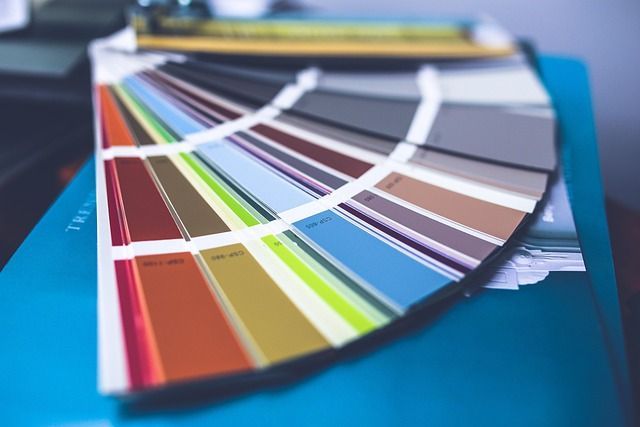
When homeowners plan a remodel, the focus often centers on designs, materials, and timelines. However, one crucial element tends to be overlooked: indoor air quality. Any renovation—even a small one—can significantly affect the air you breathe every day. Understanding how this happens, and the potential hazards involved, is essential for protecting the health and comfort of everyone in the home.
How Renovations Change the Air in Your Home
1. Dust and Fine Particles
Cutting, sanding, demolition, and drilling all generate airborne dust. These particles can include wood fibers, drywall dust, concrete residue, and insulation fragments. Fine particulate matter can linger long after visible dust has settled, infiltrating HVAC systems and circulating through living spaces. Breathing in these particles can irritate the respiratory system and aggravate allergies or asthma.
2. Volatile Organic Compounds (VOCs)
Many building materials and household products release VOCs, especially when new. Paints, adhesives, sealants, flooring, and cabinetry can off-gas chemicals like formaldehyde and toluene. Renovation work tends to increase VOC concentration because multiple materials are installed at once, often in enclosed spaces. High VOC levels can trigger headaches, dizziness, and eye and throat irritation, and long-term exposure can be more serious.
3. Mold Disturbance
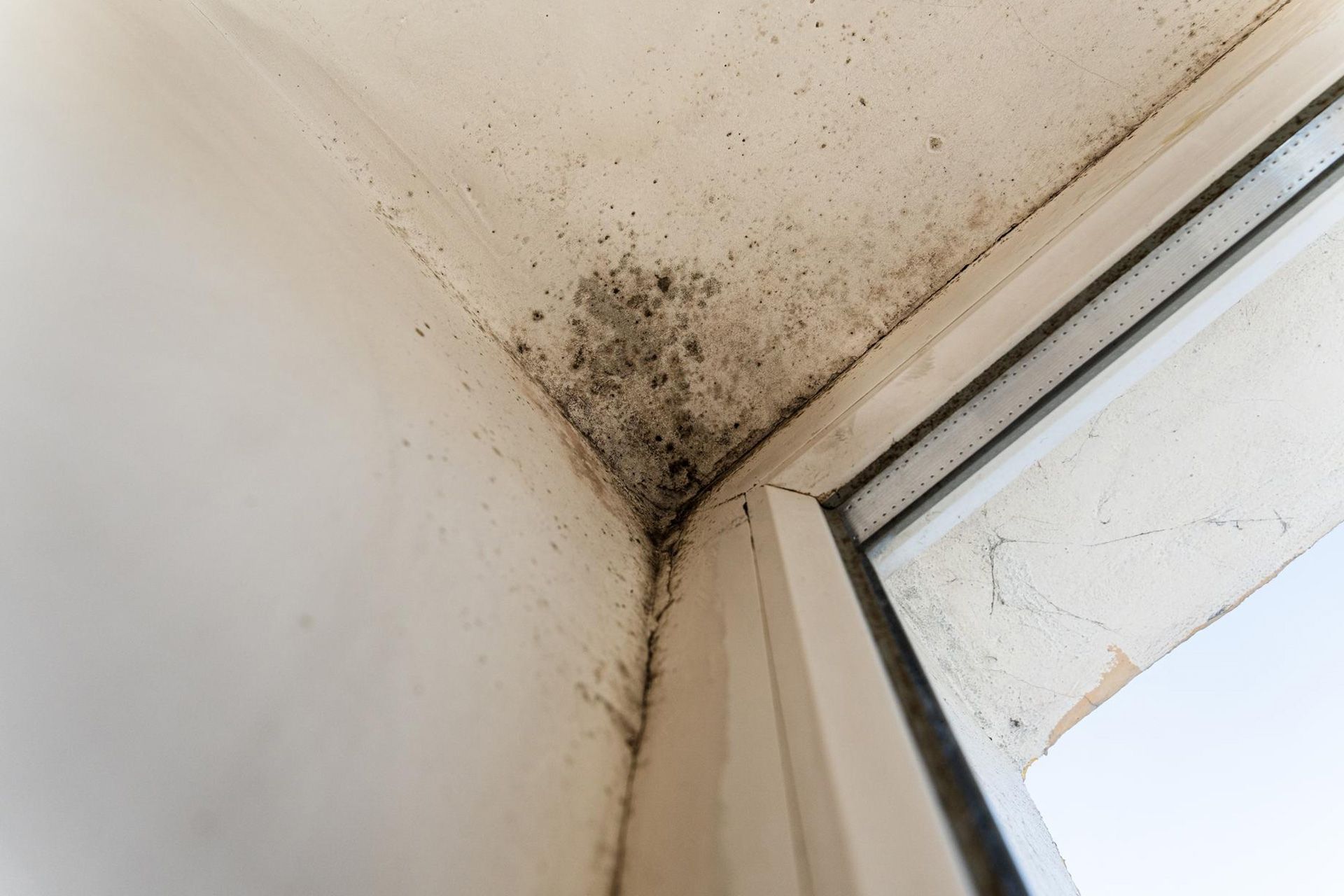
Opening walls or removing old flooring can expose concealed moisture damage. Even minor leaks or high humidity behind surfaces can lead to previously unnoticed mold growth. Once disturbed, mold spores can become airborne and spread quickly. Inhaling these spores may provoke allergic reactions and respiratory symptoms, especially in sensitive individuals.
4. Asbestos and Lead Risks in Older Homes
Homes built several decades ago may contain asbestos in insulation, flooring, or ceiling textures, and lead in old paint layers. Renovation work that cuts or disturbs these materials can release hazardous particles. Proper testing and professional handling are essential because exposure—even in small amounts—can pose serious health risks, especially to children.
Why This Matters
Indoor air quality is often worse during and after remodeling than homeowners expect. Without adequate preparation or containment, contaminants can migrate into bedrooms, kitchens, and HVAC systems. Poor indoor air during renovations isn’t just an inconvenience; it can be dangerous. Long-term exposure to certain particles or chemicals can have impacts that extend well beyond the project itself.
How to Protect Your Home’s Air During Renovations
- Use dust barriers and negative-pressure containment when possible.
- Opt for low-VOC or zero-VOC paints, adhesives, and finishes.
- Ensure proper ventilation during all stages of the project.
- Replace HVAC filters more frequently during and after the remodel.
- Test for asbestos, lead, or mold before starting demolition.
- Schedule a post-renovation air quality check for peace of mind.
A renovation can improve the function and appearance of your home—but it should also support a healthy living environment. With the right precautions, you can enjoy the benefits of your project without compromising the air you breathe.
The post How Home Renovation Projects Can Impact Indoor Air Quality—and What You Should Know appeared first on Green Valley Inspections.
Search
Certification
Green Valley Inspections is InterNACHI Certified, a Certified Master Inspector, and CCPIA-certified, demonstrating advanced training, extensive experience, professional ethics, and expertise in residential and commercial property inspections across Southern California.
Social Media
Google Reviews

5-star ratings from 440+ clients across Southern California.
Contact Us
Recent Post


Service Areas
We offer home inspection services throughout the following counties: