
Why Trimming Trees Near Your Home is More Important Than You Think
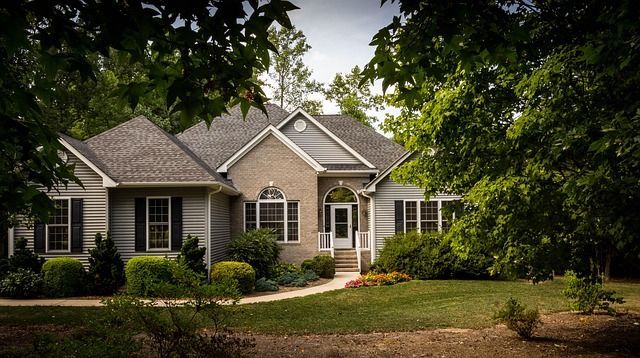
When it comes to maintaining a property, many homeowners focus on the obvious—roof repairs, fresh paint, or updated landscaping. One task that often gets overlooked is tree trimming, especially when those trees sit close to the home. While mature trees provide beauty, shade, and even add value to a property, if left unchecked, they can also present very real risks. Proper trimming isn’t just about aesthetics; it’s about protecting your home, your investment, and your safety.
Preventing Roof and Structural Damage
Branches that hang too close to a roof can scrape shingles, dislodge tiles, and wear down protective materials over time. In regions with strong sun and occasional high winds, this contact accelerates roof deterioration. Overhanging limbs can also drop leaves, twigs, and sap into gutters, creating clogs that prevent proper drainage. Once gutters overflow, water can seep into fascia boards or walls, leading to costly repairs that could have been avoided with routine trimming.
Reducing Pest Access
Trees positioned near a home often act as convenient bridges for pests. Rats, squirrels, and even insects can use overhanging limbs to bypass natural barriers and gain direct access to attics or roof spaces. Once inside, these intruders can cause extensive damage to insulation, wiring, and stored belongings. Trimming branches back creates distance, making it harder for pests to move from the yard into the home.
Improving Safety During Storms
Southern California may not experience hurricanes, but windstorms and heavy rains are not uncommon. Weak, dead, or overgrown branches are more likely to break and fall under stress, posing a hazard to the roof, windows, vehicles, or even people below. By regularly trimming and thinning tree canopies, homeowners greatly reduce the chance of storm-related property damage and improve overall safety.
Protecting Utility Lines
Trees located close to a home often grow near power lines as well. Uncontrolled growth can interfere with service lines, creating both safety hazards and service disruptions. Utility companies may perform emergency trims, but the results are rarely neat or considerate of a tree’s health. By managing growth proactively, you can avoid sudden, unsightly cuts and ensure trees remain healthy while staying clear of utilities.
Promoting Tree Health and Longevity
A properly trimmed tree isn’t just safer—it’s healthier. Removing excess weight and dead limbs allows more light and air to circulate through the canopy, reducing the risk of disease. A well-maintained tree is stronger, more resilient, and more attractive. For homeowners, this means enjoying the beauty and shade of mature trees without compromising the integrity of their property.
In short, trimming trees close to a home is both a preventive measure and an investment in long-term property care. It safeguards the roof, keeps pests at bay, reduces safety hazards, protects utilities, and promotes healthier growth. A little maintenance today can prevent major expenses tomorrow, making regular trimming a practical, protective step for any homeowner.
The post Why Trimming Trees Near Your Home is More Important Than You Think appeared first on Green Valley Inspections.
Search
Certification
Green Valley Inspections is InterNACHI Certified, a Certified Master Inspector, and CCPIA-certified, demonstrating advanced training, extensive experience, professional ethics, and expertise in residential and commercial property inspections across Southern California.


Social Media
Google Reviews

5-star ratings from 440+ clients across Southern California.
Contact Us
Recent Post


Service Areas
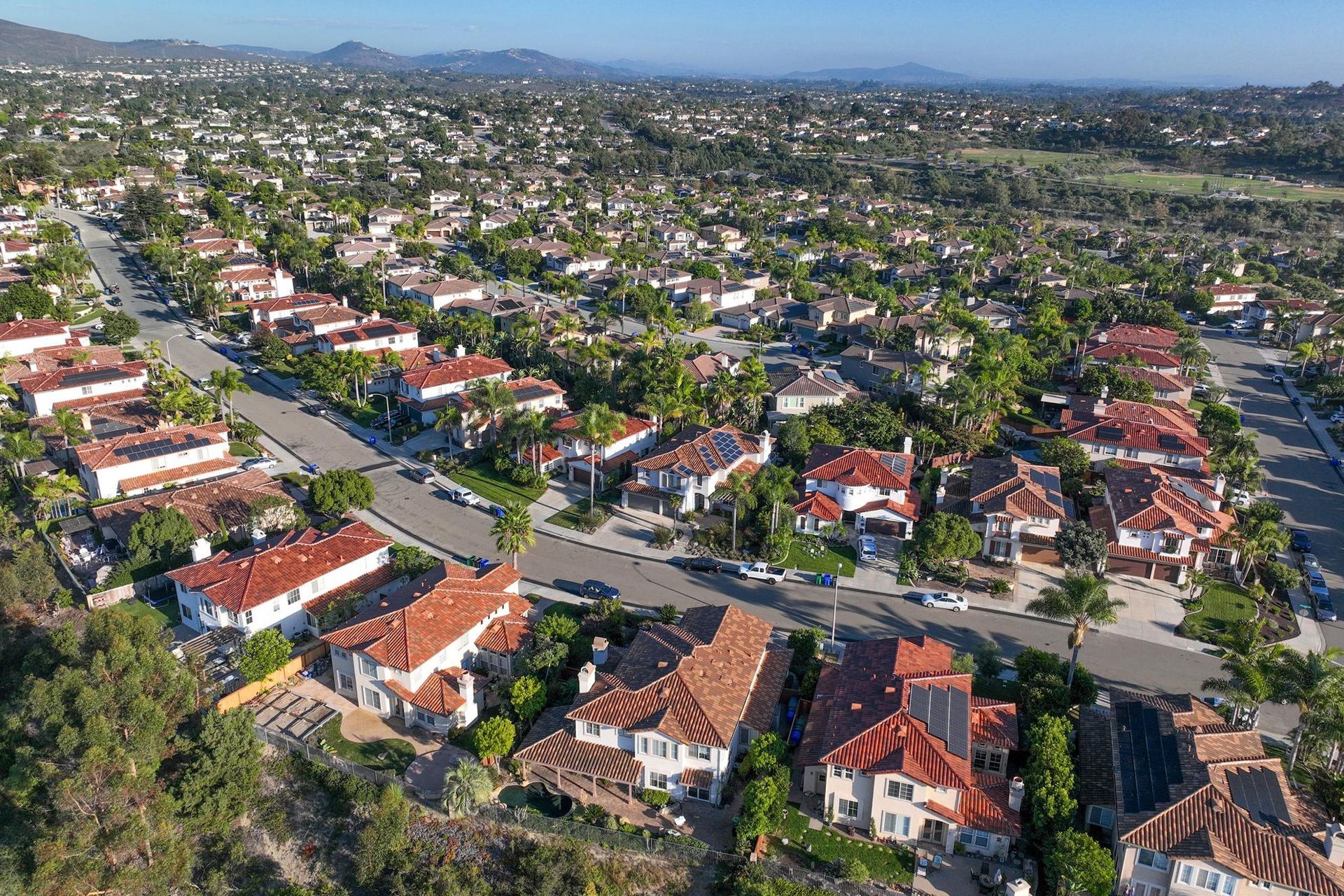
We offer home inspection services throughout the following counties: