
What to Expect When Buying a House with a History of Fire Damage
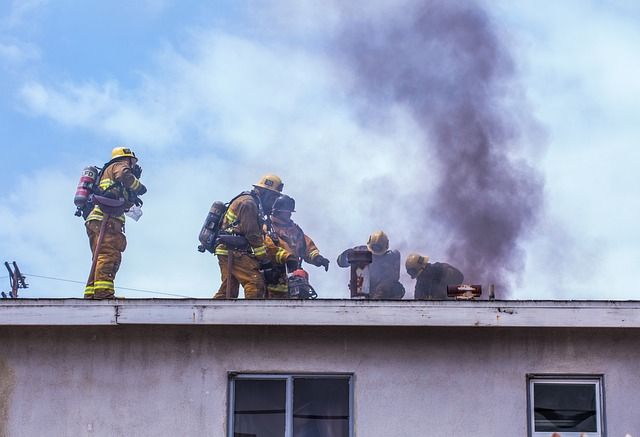
Purchasing a home with a history of fire damage can be an affordable option, but it comes with its own set of challenges. Fire restoration, when done properly, can leave a home as good as new. However, if the cleanup wasn’t executed thoroughly, hidden issues could remain. Here’s what you may discover if the previous fire damage wasn’t properly addressed.
1. Lingering Smoke Odors
One of the most common red flags is the smell of smoke that persists long after the fire is out. Smoke can permeate walls, ceilings, flooring, and even the home’s HVAC system. If cleanup efforts didn’t include removing soot and replacing contaminated materials, the odor may be difficult, if not impossible, to fully eliminate without significant work.
2. Structural Weakness
Fires weaken structures, especially wooden beams and joists. While it’s common to repair or replace fire-damaged framing, shoddy restoration work may leave charred or compromised wood hidden behind new drywall or flooring. This is a serious concern, as weakened structures can lead to sagging floors, cracking walls, or even foundation shifts over time.
3. Electrical Hazards
Fire can cause extensive damage to a home’s electrical system, melting wires, and damaging components. Inadequate or superficial repairs could leave dangerous wiring behind, creating the risk of electrical shorts or future fires. It’s important to ensure the home’s wiring was inspected by a licensed electrician after the fire, and that any repairs meet modern electrical codes.
4. Mold Growth
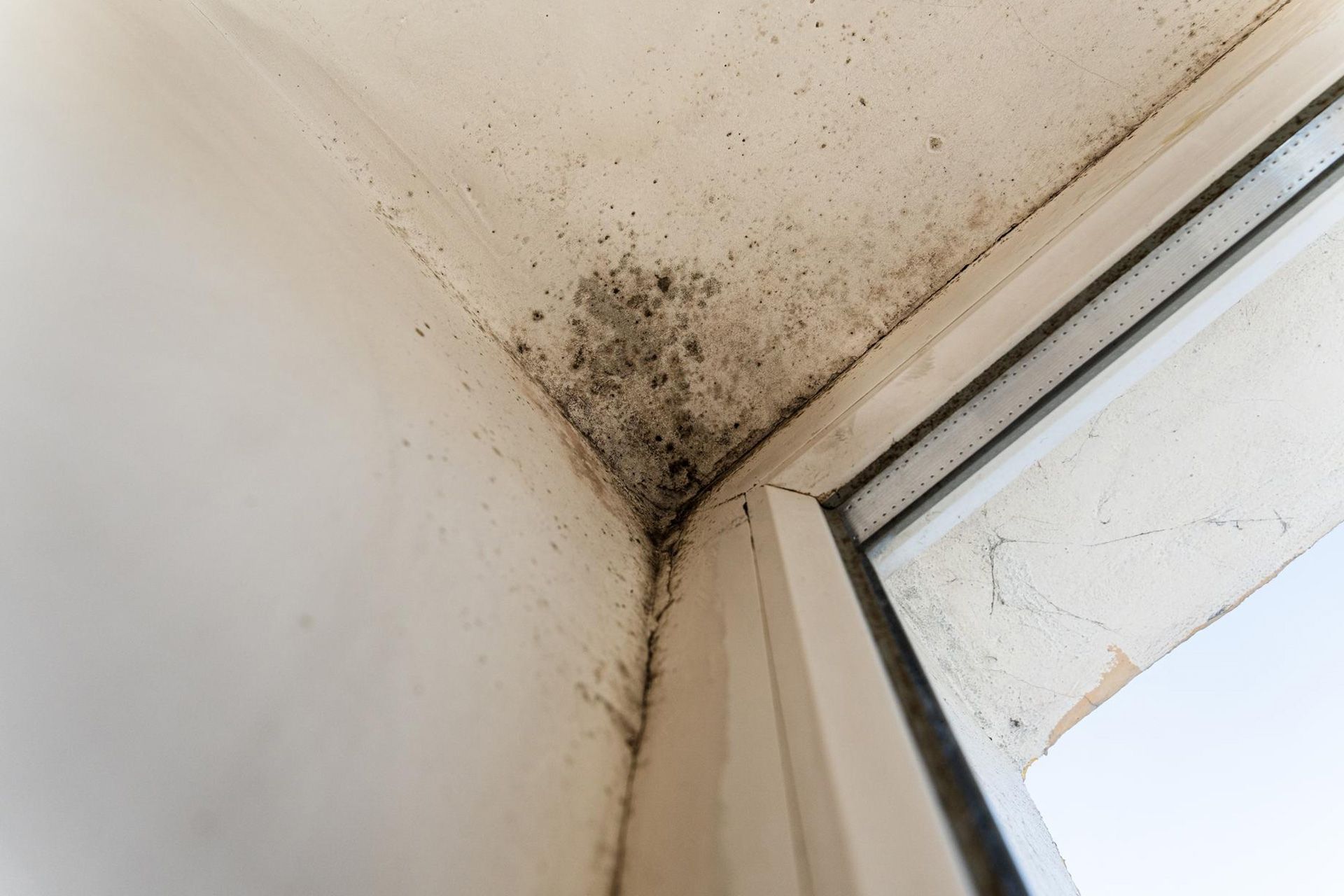
During firefighting efforts, a significant amount of water is used to extinguish the flames. If the water damage wasn’t properly mitigated, you might find mold growth, especially in areas like attics, basements, or behind walls. Mold can spread quickly in damp environments, potentially causing respiratory issues and requiring costly remediation.
5. Hidden Soot and Ash
Soot particles can settle in hard-to-reach areas, such as air ducts, crawl spaces, and behind walls. If not thoroughly cleaned, these particles can circulate throughout the home, affecting indoor air quality and causing health problems for residents. This is particularly concerning for those with allergies, asthma, or other respiratory conditions.
Conclusion
If you’re considering purchasing a home with a history of fire damage, it’s crucial to investigate whether the restoration was done properly. Lingering odors, structural issues, hidden mold, and electrical hazards are just a few of the potential problems. Before finalizing your decision, invest in a thorough inspection to uncover any hidden damage that may affect your safety or the home’s long-term value.
Search
Certification
Green Valley Inspections is InterNACHI Certified, a Certified Master Inspector, and CCPIA-certified, demonstrating advanced training, extensive experience, professional ethics, and expertise in residential and commercial property inspections across Southern California.
Social Media
Google Reviews

5-star ratings from 440+ clients across Southern California.
Contact Us
Recent Post

Service Areas
We offer home inspection services throughout the following counties: