
What the Nose Knows: How Household Odors Reveal Property Conditions
When stepping into a home, the first impression isn’t always visual. Long before the details of the roofline or the foundation come into focus, the air inside tells its own story. Odors, both subtle and strong, can be reliable indicators of the home’s current state and even of hidden issues that may otherwise go unnoticed during a casual walk-through.
The Lingering Scent of Moisture
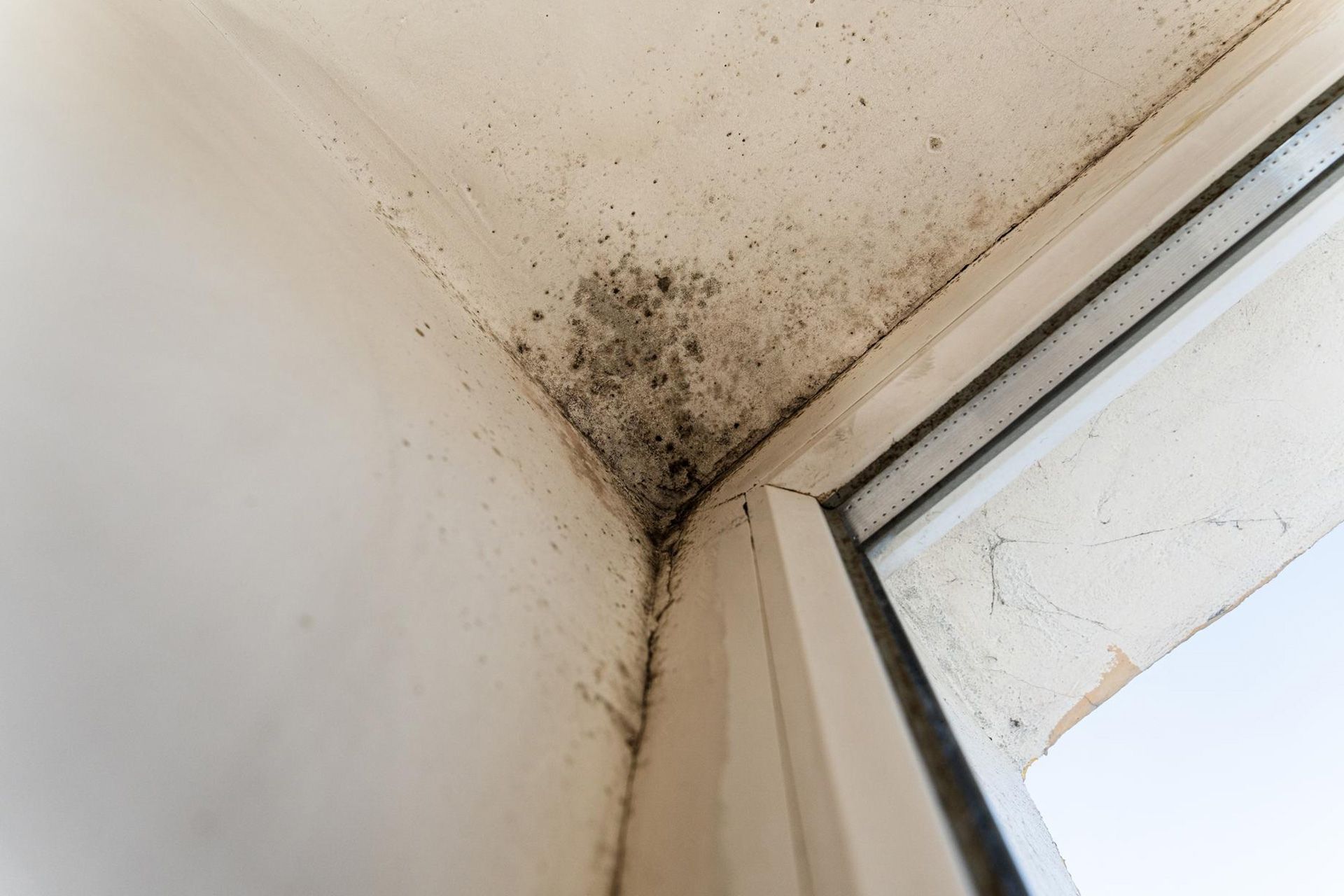
One of the most telling odors is that of dampness. A musty, earthy smell can signal water intrusion, often associated with plumbing leaks, roof deficiencies, or poor ventilation in crawlspaces. While the source isn’t always visible, the nose often detects it first. Persistent moisture odors may point toward mold activity or structural materials that have remained wet over time, which can compromise both air quality and the integrity of the building.
Sharp Notes of Sewage or Gas
A sharp, unpleasant sewage odor indoors usually indicates an issue with the home’s drainage system. Dry or faulty traps, cracked vent lines, or compromised sewer connections can allow gases to seep inside. Natural gas leaks, though rarer, carry an unmistakable sulfur-like odor. Both conditions are red flags that require prompt investigation, as they can affect safety and functionality.
Sweet but Suspicious Smells
Some homes emit a sweet, chemical-like odor that might be overlooked as cleaning product residue. However, such odors can also stem from refrigerant leaks in HVAC systems or deteriorating building materials. Even if subtle, these scents are worth noting, as they may suggest an appliance that is failing or insulation that is breaking down.
Pet and Tobacco Residues
Odors from pets or tobacco smoke do more than linger in the air. They embed into walls, flooring, and HVAC systems. For inspectors, these smells are more than nuisances—they signal that surfaces and mechanical systems may require deep cleaning or replacement to restore healthy indoor air. Persistent residues also give insight into the level of maintenance the home has received.
When Fresh Scents Raise Questions
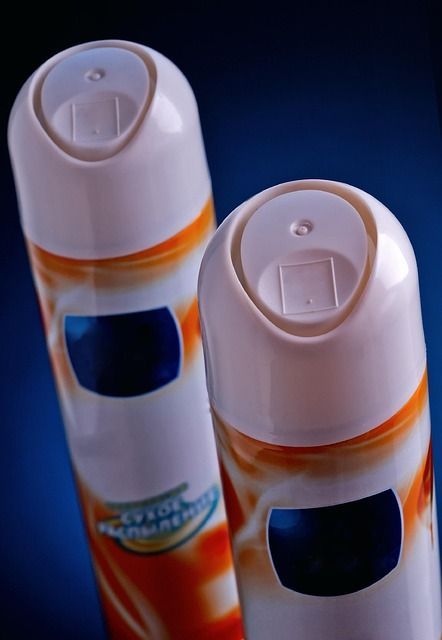
Ironically, the strongest red flag can sometimes be an overwhelming “fresh” scent. Heavy use of air fresheners, candles, or deodorizers may mask underlying problems. While it’s natural for homeowners to want a pleasant-smelling environment, an inspector pays attention when artificial fragrances dominate. They can be an attempt to conceal pet odors, mildew, or smoke damage.
The Value of Paying Attention to Smell
While visual inspection and tools provide concrete data, odors offer an immediate and often accurate sense of the property’s condition. Air quality is not just a comfort issue—it reflects the health of the building and its systems. By listening to what the nose detects, one gains an early advantage in understanding the true state of a home.
Search
Certification
Green Valley Inspections is InterNACHI Certified, a Certified Master Inspector, and CCPIA-certified, demonstrating advanced training, extensive experience, professional ethics, and expertise in residential and commercial property inspections across Southern California.
Social Media
Google Reviews

5-star ratings from 440+ clients across Southern California.
Contact Us
Recent Post




Service Areas
We offer home inspection services throughout the following counties: