
Beyond the Curb Appeal: How to Research a Neighborhood Before You Move

When evaluating a potential home, it’s easy to focus on the structure itself—square footage, finishes, roof condition. Yet the setting that surrounds it often has a greater influence on long-term satisfaction. A house may be well built, but if the neighborhood doesn’t align with your needs, comfort quickly erodes. Researching a neighborhood thoroughly before committing is one of the most valuable steps in the decision process.
Begin with the flow of daily life
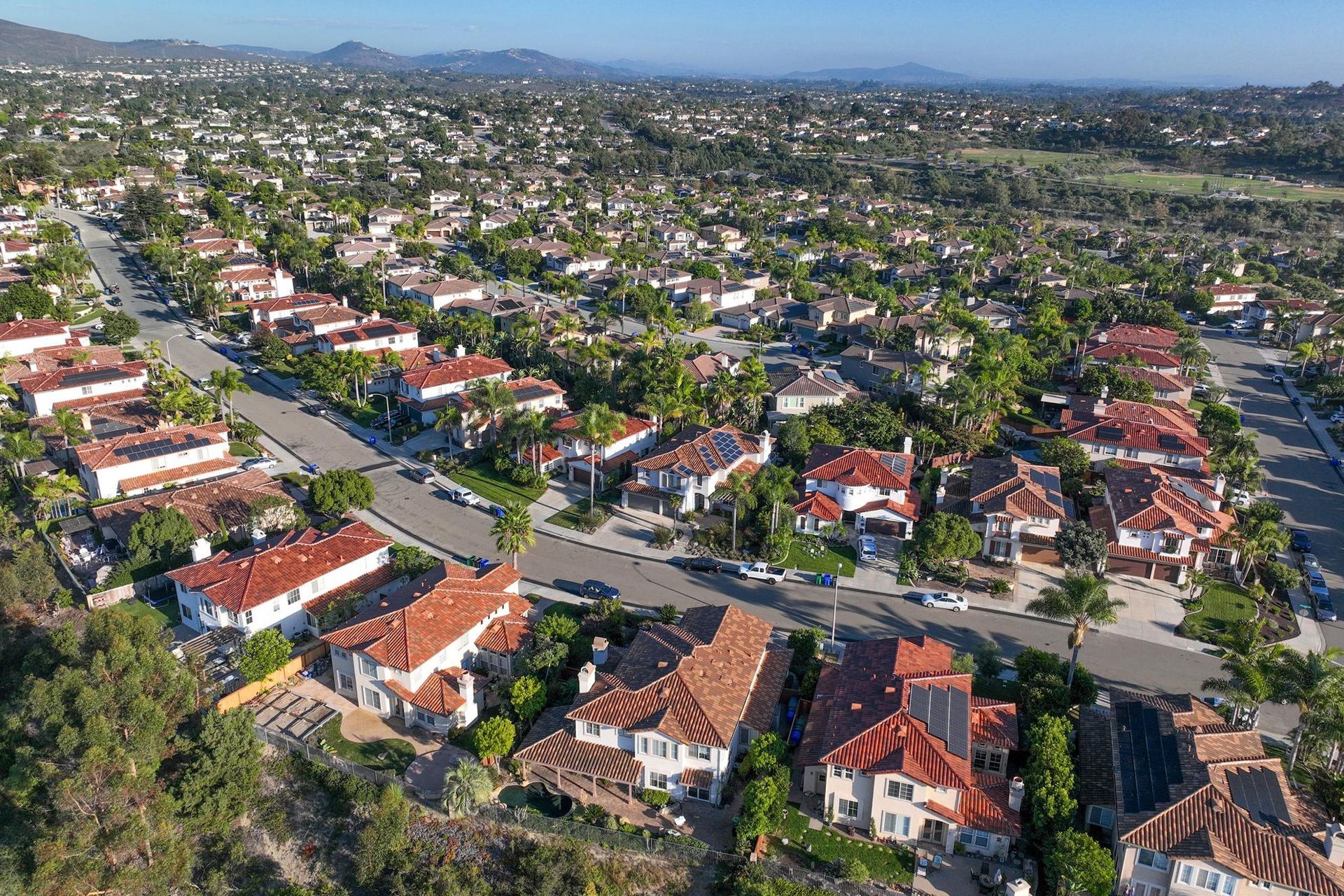
Drive or walk through the area at different times of day. Early mornings may reveal commuter traffic patterns; evenings might show whether streets are lively, quiet, or congested. Weekends often highlight how residents use shared spaces—parks, sidewalks, and community centers. Observing firsthand gives insight into whether the neighborhood’s pace matches your lifestyle.
Assess infrastructure and upkeep
Look beyond landscaping and painted facades. How well are sidewalks, drainage systems, and street lighting maintained? Are vacant lots tidy or neglected? Signs of consistent care typically indicate a neighborhood with stable property values and attentive local governance. Deferred maintenance, on the other hand, can signal challenges that extend beyond cosmetics.
Consider proximity to essentials
Rather than focusing only on distance, think in terms of accessibility. A grocery store two miles away can feel far if traffic patterns are difficult. Reliable public transit, bike lanes, and pedestrian-friendly layouts can matter just as much as car access. Also take note of medical facilities, emergency services, and schools—even if you don’t have children, the quality of local schools can affect overall demand and resale potential.
Measure sound and activity levels
Noise is often underestimated during a quick visit. Nearby rail lines, flight paths, or entertainment venues can create ongoing disturbances. Spend a few minutes with your car windows down or simply stand on a corner to take in the ambient sounds. The absence—or abundance—of noise will shape your comfort in ways few listings ever reveal.
Research future developments
Municipal planning documents are usually public. Reviewing them can help you anticipate upcoming infrastructure projects, rezoning, or large commercial builds. A proposed park or transit expansion may enhance value, while an industrial facility could change the neighborhood dynamic entirely.
Look for signs of community involvement
Notice bulletin boards, local events calendars, or active neighborhood associations. Communities where residents engage in shared improvement projects tend to maintain both property values and safety standards over time.
In the end, a home purchase is as much about surroundings as structure. By taking the time to study a neighborhood with the same care given to the home itself, you reduce surprises and increase the odds of settling into a place that supports your routines, your investment, and your peace of mind.
The post Beyond the Curb Appeal: How to Research a Neighborhood Before You Move appeared first on Green Valley Inspections.
Search
Certification
Green Valley Inspections is InterNACHI Certified, a Certified Master Inspector, and CCPIA-certified, demonstrating advanced training, extensive experience, professional ethics, and expertise in residential and commercial property inspections across Southern California.


Social Media
Google Reviews

5-star ratings from 440+ clients across Southern California.
Contact Us
Recent Post



Service Areas
We offer home inspection services throughout the following counties: