
Danger in Plain Sight – Household Items and Plants That Could Harm Your Pets
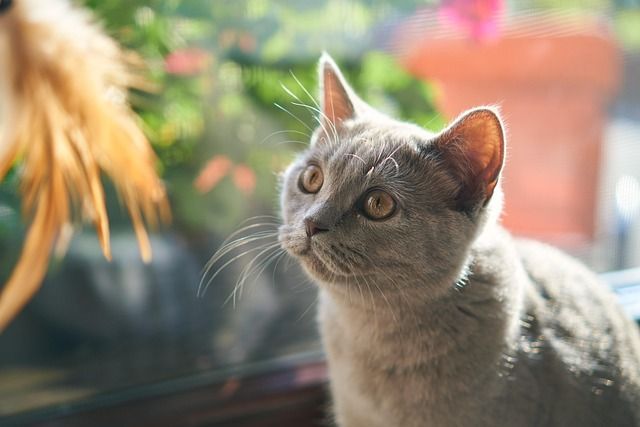
When you think of home safety, you might focus on securing your property from external threats or ensuring your family is safe from common hazards. However, there are hidden dangers inside your home that could seriously harm your pets. Everyday household items and certain plants, often overlooked, can pose significant risks. Below are some key items to watch out for to keep your furry friends safe.
Common Household Hazards
- Cleaning Products: Many standard cleaning products contain chemicals like ammonia, bleach, and phenols, which are toxic to pets. Even the residue left on floors and surfaces can be harmful. It’s best to use pet-friendly or natural cleaning products and store all chemicals securely out of reach.
- Medications: Human medications, including over-the-counter drugs like ibuprofen, acetaminophen, and cold medicines, can be extremely toxic to pets. Even small doses can cause severe reactions, so all medications should be stored securely.
- Food Hazards: Foods that are harmless to humans, such as chocolate, grapes, onions, and caffeine, can be deadly for pets. Be mindful of what you leave on countertops or tables, and avoid feeding your pets table scraps.
- Small Objects: Items like batteries, coins, and small toys can be choking hazards or cause internal blockages if ingested. Keep these items out of your pet’s reach, especially if they’re prone to chewing.
Dangerous Plants
- Lilies: Particularly toxic to cats, lilies can cause kidney failure if ingested, even in small amounts. It’s best to avoid keeping lilies in your home if you have pets.
- Sago Palm: Every part of this plant, especially the seeds, is toxic to pets. Ingestion can lead to severe liver failure and can be fatal if not treated promptly.
- Aloe Vera: While aloe is a popular houseplant due to its healing properties for humans, it’s toxic to pets, causing vomiting, diarrhea, and lethargy if ingested.
- Pothos (Devil’s Ivy): Common in many households due to its low maintenance, pothos can cause oral irritation, vomiting, and difficulty swallowing if pets chew on the leaves.
Final Thoughts
Keeping your home safe for your pets means being aware of the hidden dangers of everyday items and plants. By taking a few simple precautions, such as choosing non-toxic plants and securing hazardous materials, you can ensure that your home is a sanctuary for every member of the family—including the furry ones. Stay vigilant and regularly review your home for potential risks, so your pets can thrive in a safe environment.
Search
Certification
Green Valley Inspections is InterNACHI Certified, a Certified Master Inspector, and CCPIA-certified, demonstrating advanced training, extensive experience, professional ethics, and expertise in residential and commercial property inspections across Southern California.
Social Media
Google Reviews

5-star ratings from 440+ clients across Southern California.
Contact Us
Recent Post



Service Areas
We offer home inspection services throughout the following counties: