
Why Regular Water Quality Testing is Essential for Every Homeowner
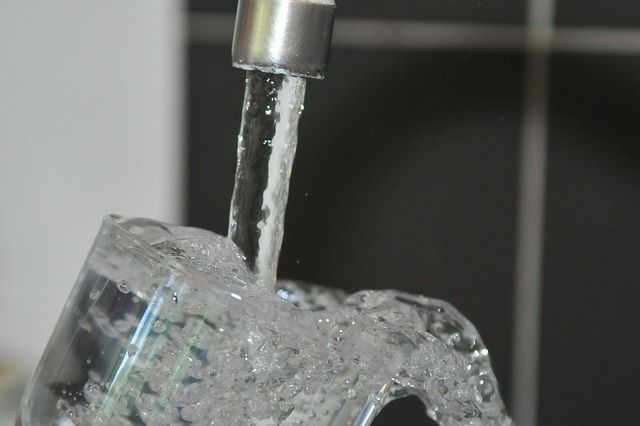
Water is something most of us use every day without a second thought, whether it’s for drinking, cooking, bathing, or washing. Yet, the quality of water in your home can have a significant impact on both your health and the longevity of your home’s plumbing system. Regular water quality testing is one of the best ways to ensure that the water flowing through your faucets is safe, clean, and free from potentially harmful contaminants. Here’s why homeowners should consider it an essential part of home maintenance.
Protecting Your Health
Contaminants in water can be difficult to detect; they’re often colorless, odorless, and tasteless. However, they can cause serious health issues if left unchecked. Common water contaminants include lead, bacteria, pesticides, nitrates, and even radon. High levels of any of these can lead to gastrointestinal issues, skin irritations, and in more serious cases, neurological problems, especially in children and pregnant women. Testing your water quality at regular intervals ensures that you’re not unknowingly exposing your family to potentially dangerous substances.
Safeguarding Your Plumbing
Water quality isn’t just a health issue—it can also impact the health of your home’s plumbing system. Hard water, for instance, is a common issue in many areas and is caused by high levels of minerals like calcium and magnesium. Over time, these minerals can build up inside your pipes, reducing water flow and eventually leading to clogs or even pipe damage. Acidic water with a low pH can corrode pipes, especially if they’re made from copper, and lead to leaks or metallic tastes in your water. Regular water testing can help you detect issues like these early, allowing you to take corrective action before they turn into costly repairs.
Understanding the Source
Many homeowners rely on municipal water sources, assuming the water is safe. While municipalities do treat water, contaminants can still enter the water supply through old pipes or even through your plumbing system itself. For homes that use private wells, testing is even more crucial, as well water isn’t regulated and can be easily contaminated by nearby septic systems, agricultural runoff, or industrial pollutants.
When to Test and What to Look For
The best practice for most homeowners is to have their water tested at least once a year. However, if you notice changes in taste, color, or odor, or if there has been nearby construction or agricultural activity, it may be worth testing sooner. A professional water quality test will typically assess for lead, bacteria, pH levels, hardness, nitrates, and other common contaminants, giving you a comprehensive understanding of your water’s safety.
Conclusion
Regular water quality testing is a small investment that can make a big difference in your health, plumbing, and peace of mind. By staying proactive and informed, you can ensure that the water you use daily remains safe and clean for you and your family.
Search
Certification
Green Valley Inspections is InterNACHI Certified, a Certified Master Inspector, and CCPIA-certified, demonstrating advanced training, extensive experience, professional ethics, and expertise in residential and commercial property inspections across Southern California.
Social Media
Google Reviews

5-star ratings from 440+ clients across Southern California.
Contact Us
Recent Post




Service Areas
We offer home inspection services throughout the following counties: