
Humanely Controlling Backyard Wildlife – A Guide for Homeowners
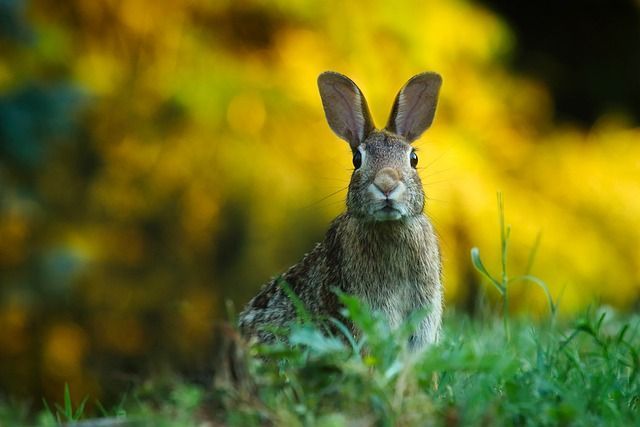
Maintaining a beautiful backyard is a source of pride for many homeowners. However, sharing your outdoor space with local wildlife can sometimes lead to challenges. Animals such as deer, rabbits, raccoons, and squirrels can cause significant damage to plants and property. Luckily, there are several humane ways to protect your backyard without resorting to chemicals. Here are some effective strategies:
Fencing and Barriers
One of the most effective methods to keep larger animals like deer and rabbits out of your garden is by installing physical barriers. A tall fence, ideally eight feet or higher, can deter deer from jumping over. For smaller animals, a shorter fence with a buried edge will prevent them from digging underneath. Chicken wire or hardware cloth can be used to protect individual plants or garden beds.
Natural Repellents
Certain plants have natural repellent properties that can deter wildlife. For instance, planting marigolds, lavender, or garlic around your garden can keep deer and rabbits at bay. These plants emit scents that are unpleasant to these animals but pleasant to humans. Similarly, sprinkling cayenne pepper or coffee grounds around the garden can deter smaller critters like squirrels and raccoons.
Scare Tactics
Using scare tactics can be a humane way to keep wildlife at a distance. Motion-activated sprinklers or lights can startle animals, teaching them to avoid your yard. Hanging shiny objects like old CDs or aluminum foil strips in trees can also deter birds and other creatures. Wind chimes and decoy predators, such as plastic owls, can further enhance this effect.
Secure Food Sources
Wildlife often ventures into backyards in search of food. By securing trash cans with tight-fitting lids and bringing pet food indoors, you can reduce the attraction. If you have a compost pile, ensure it is enclosed or use a compost tumbler to keep animals from accessing it.
Provide Alternatives
Creating a designated area for wildlife away from your main garden can be a win-win solution. Planting a patch of clover or other wildlife-friendly plants in a corner of your yard can give animals an alternative food source, reducing the temptation to invade your garden. Bird feeders can also help keep birds away from your fruit trees and vegetable patches.
Regular Maintenance
Keeping your yard clean and well-maintained can discourage wildlife from making a home in your backyard. Remove fallen fruit, rake up leaves, and trim back overgrown vegetation to eliminate hiding spots and food sources for unwanted visitors.
By implementing these humane and chemical-free strategies, you can protect your backyard from wildlife damage while respecting the natural ecosystem. Not only will your garden thrive, but you’ll also coexist peacefully with the local fauna, creating a balanced and harmonious outdoor environment.
Search
Certification
Green Valley Inspections is InterNACHI Certified, a Certified Master Inspector, and CCPIA-certified, demonstrating advanced training, extensive experience, professional ethics, and expertise in residential and commercial property inspections across Southern California.



Social Media
Google Reviews

5-star ratings from 440+ clients across Southern California.
Contact Us
Recent Post





Service Areas
We offer home inspection services throughout the following counties: