
Green Guests: How Indoor Plants Shape Your Living Space
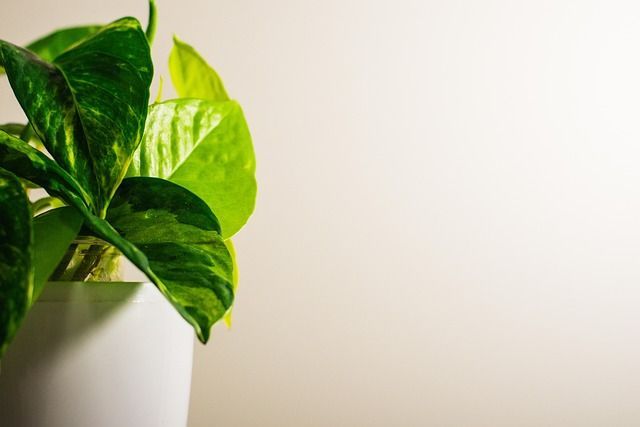
There’s more going on with houseplants than their calming appearance might suggest. While their role as decorative elements is well-known, these leafy residents also engage quietly with the indoor environment in ways both helpful and occasionally problematic.
Indoor plants can subtly shift the microclimate within a home. They interact with humidity, often releasing moisture through a process similar to evaporation. In drier climates or during winter heating months, this can help rebalance the air, reducing issues like dry skin or irritated sinuses. They also participate in a natural exchange of gases, potentially lowering certain airborne pollutants. For those sensitive to indoor air quality, this quiet contribution may be meaningful.
Aesthetic benefits aside, these plants also serve as visual indicators of environmental conditions. Wilting, discoloration, or stunted growth may suggest underlying issues with ventilation, lighting, or temperature control. Observant homeowners can use this feedback to adjust the indoor setting, potentially catching issues early that might otherwise go unnoticed.
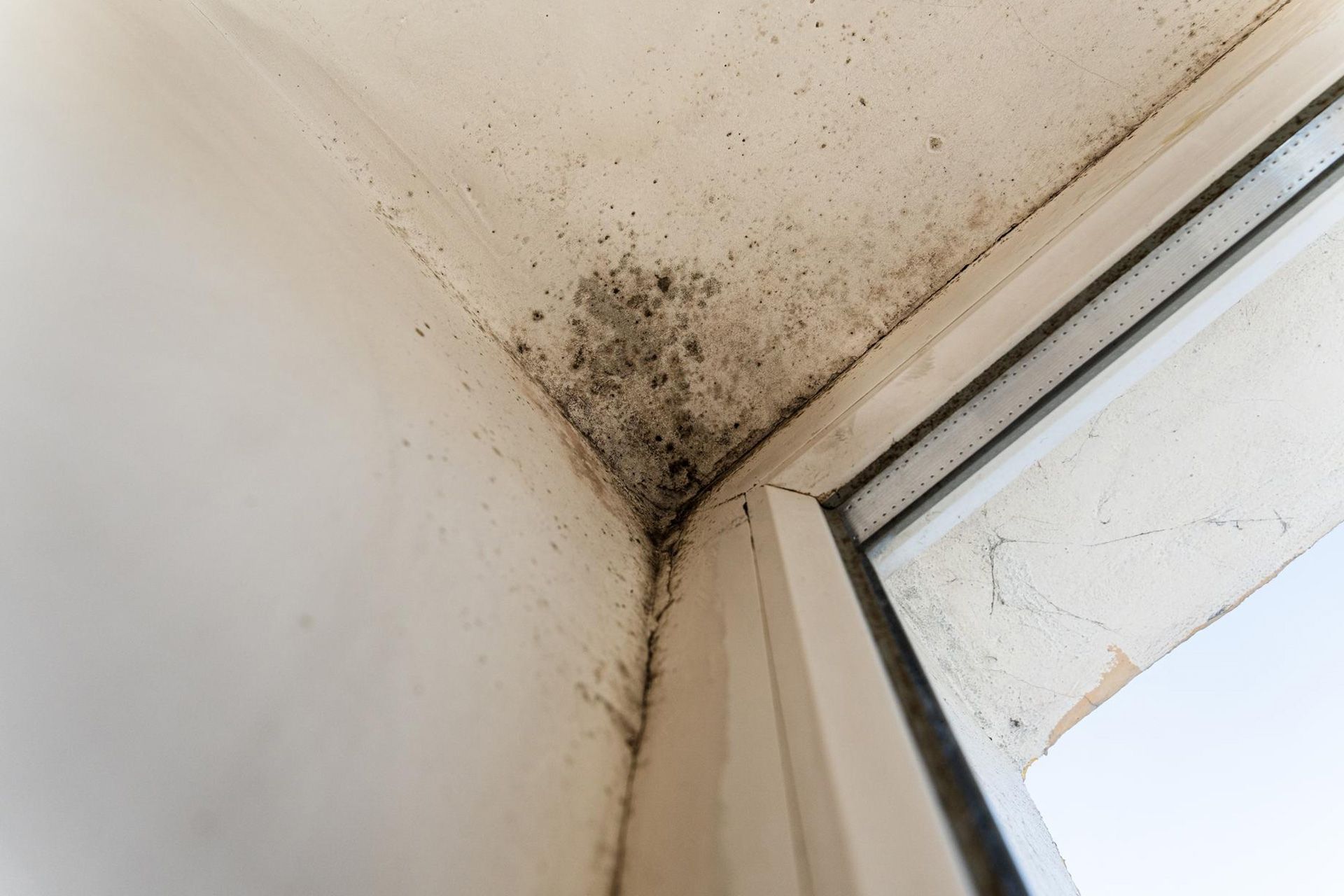
However, not all effects are beneficial. Houseplants can introduce moisture in places that don’t tolerate it well. In rooms lacking proper airflow, excess humidity from plant transpiration may encourage surface condensation, which over time can lead to mildew or even structural warping. Soil and standing water can become breeding grounds for mold or tiny pests, which might trigger allergies or become household nuisances.
Maintenance is another consideration. Overwatering, poor drainage, or improper container choices can lead to damaged flooring or staining. Some plant enthusiasts underestimate the level of upkeep involved—neglected pots and dying foliage can do more harm than good, both to air quality and the visual appeal of a space.
When incorporated thoughtfully, indoor greenery can be a dynamic part of a home’s ecosystem. But like any living element, they require consideration of placement, care, and compatibility with your environment. It’s not just about beauty—it’s about balance. A well-managed plant population can quietly enhance comfort, while careless inclusion might introduce issues that go unnoticed until they’re harder to resolve.
In the end, houseplants aren’t just passive décor—they’re subtle participants in your home’s daily life. And as with any guest, they do best when treated with a bit of attention and respect.
Search
Certification
Green Valley Inspections is InterNACHI Certified, a Certified Master Inspector, and CCPIA-certified, demonstrating advanced training, extensive experience, professional ethics, and expertise in residential and commercial property inspections across Southern California.



Social Media
Google Reviews

5-star ratings from 440+ clients across Southern California.
Contact Us
Recent Post



Service Areas
We offer home inspection services throughout the following counties: